What Makes a Fashion Business Last?
Search for advice on starting a fashion business and the algorithm is remarkably predictable. How to launch a brand. How to grow an audience. How to increase sales. How to build a successful fashion business.
Success, in this vocabulary, is usually easy to recognise. Revenue, social media visibility, press mentions, recognition and a growing customer base become the visible evidence that a business is working.
They matter. But visibility is not stability, and a good sales month does not necessarily indicate a healthy business.
The more useful question is what happens after the attention.
Fashion is a particularly difficult business to evaluate through snapshots because demand rarely moves in a straight line. Products sell differently across seasons, occasions and economic cycles. A strong month can be followed by a quiet one, and a product that performs exceptionally well during one period may struggle when the context changes. The objective, therefore, is not simply to produce moments of exceptional revenue, but to build enough resilience to absorb fluctuations without constantly putting the business under pressure.
This is where the distinction between revenue and cash becomes important.
A business can be generating more revenue while becoming financially weaker. If production, staffing, logistics, marketing and other operating costs are increasing faster than income, the runway continues to shrink regardless of what the sales figures suggest. Financial resilience begins with knowing where the money is going, when it is coming in and how much of it is actually available to keep the business operating.
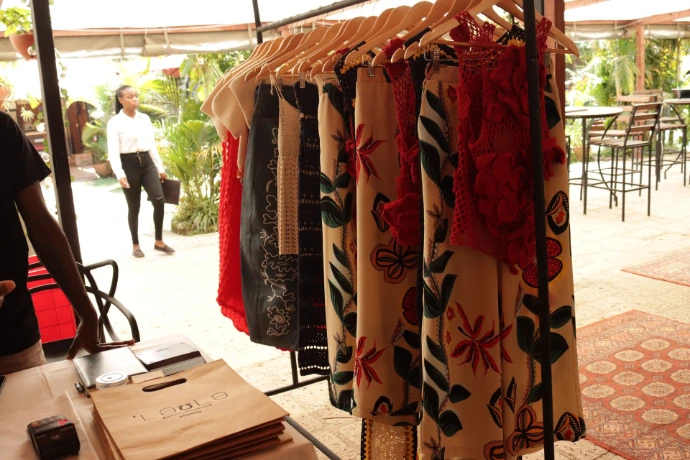
For a fashion house, this can also mean thinking more carefully about revenue streams. Diversification does not necessarily require inventing an entirely new product category. It can mean developing complementary services, experiences or products that make use of capabilities the business already possesses. The objective is to create additional points of income without diluting the identity of the house.
There are also less conventional ways of protecting cash. Strategic barter, for instance, can give a brand access to photography, hospitality, production, creative services or other business necessities without every transaction becoming a cash expense. Used intelligently, it is not a substitute for financial planning. It is another instrument within it.
Then there is relevance.
One of the quieter risks in fashion is confusing continued sales with continued growth. A product can continue selling while the number of new customers interested in it gradually declines. The existing audience knows what it wants, the product continues to satisfy that audience, and the numbers may initially look reassuring. But if new enquiries stop arriving, the business may simply be circulating within an established customer base rather than expanding its cultural or commercial reach.
That does not necessarily mean the product has become bad. It may mean the market has stopped moving towards it.
Fashion businesses therefore have to remain attentive to change without becoming prisoners of the trend cycle. Chasing every new aesthetic is hardly a strategy. Neither is refusing to acknowledge that consumer behaviour, technology, culture and spending patterns are changing.
The challenge for an established fashion house is more precise: maintain a recognisable signature while remaining capable of evolution.
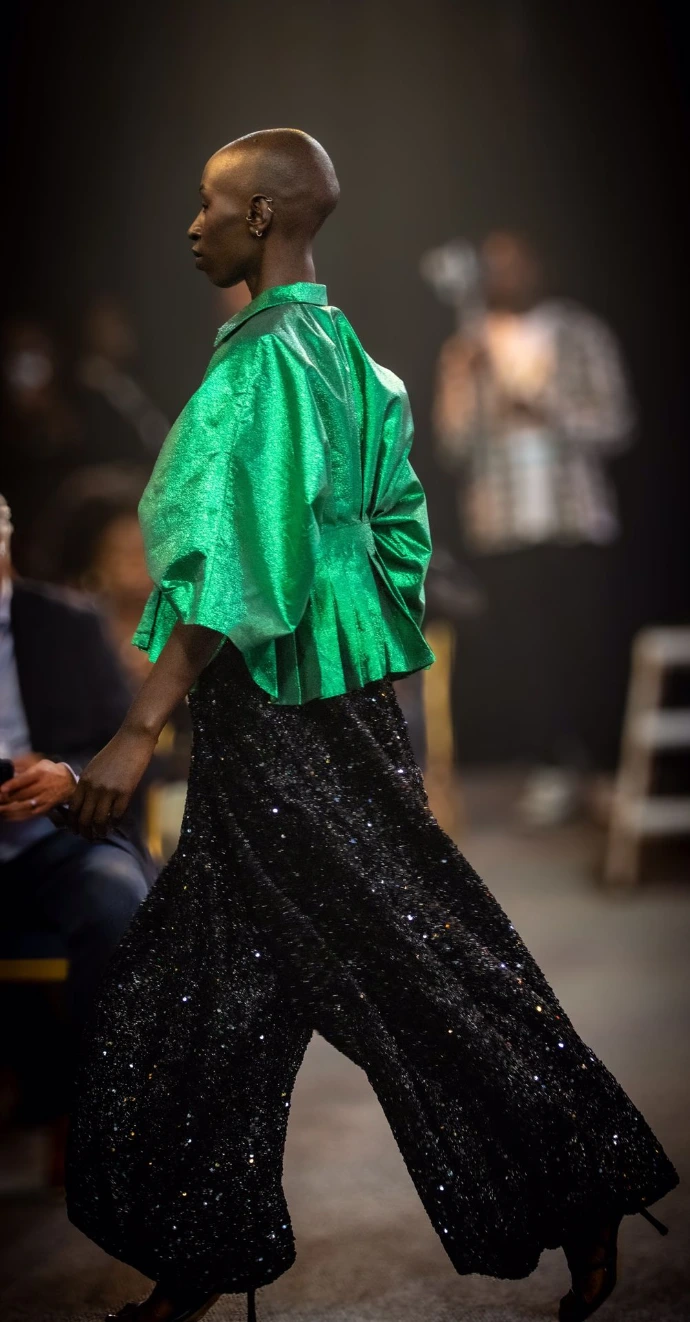
A strong fashion house should be identifiable. Its codes should survive beyond individual collections. But signature should never become stagnation. Relevance requires a culture of observation, experimentation, learning and adaptation. The house needs to know what belongs to its identity, what can evolve and what has simply outlived its usefulness.
This becomes particularly important in advertising.
Marketing was once primarily a question of getting attention. Today, attention itself has become difficult to trust.
Artificial intelligence has introduced an additional layer of scepticism into the visual landscape. When an advertisement appears, the viewer may now unconsciously ask several questions before even considering the product: Is this AI? If it is, was it used well? Can I tell? And, ultimately, does any of it make me want what is being sold?
The technology is not necessarily the problem. The problem is the growing distance between visual sophistication and genuine relevance.
Fashion advertising has increasingly borrowed the language of cinema. Lighting, composition, narrative, movement and atmosphere can transform a campaign into something memorable. But storytelling has to know when to stop. Too much spectacle and the clothing becomes secondary to the production. Too little and the campaign becomes indistinguishable from every other product image competing for attention.
The strongest fashion storytelling brings the elements into proportion. The image creates desire, the narrative creates context and the product remains central.
That balance matters because marketing can quietly become one of the largest holes into which a young fashion business pours money. Production costs, including influencer fees, rented studio and paid ads, accumulate. Yet the question remains remarkably simple: what did the expenditure actually produce?
The answer should not always be immediate sales. Brand building takes time. But a business needs to understand what it is buying with every marketing investment and whether that investment is contributing to a measurable commercial or strategic objective.
Beyond financial resilience and adaptability sits another less thought of requirement: operational reliability.
Luxury is often reduced to materials, price, exclusivity or presentation. But luxury can also be understood as the quality of the processes surrounding the production and sale of the product.
It covers how an idea becomes a product, how consistency is maintained, how a customer places an order, how long they wait, how they are communicated with, how the garment is packaged, how an alteration is handled and most importantly, what happens when something goes wrong.
People increasingly pay for the experience surrounding the product as much as the product itself.
Wearing a fashion house should feel like the culmination of everything that house claims to represent. If the brand communicates precision but the order process is chaotic, the contradiction is felt. If the garment is exceptional but the delivery is unreliable, the experience is incomplete. If the visual identity promises refinement but every customer interaction feels unpleasant, the luxury proposition begins to unravel.
A durable fashion business is consequently built on much more than the things that are easiest to photograph. Sales matter. Visibility matters. Recognition matters. But underneath them sits an infrastructure that determines whether those achievements can be repeated.
Financial resilience allows the business to withstand fluctuation. Adaptability allows it to remain relevant. Operational reliability allows it to deliver its promise consistently.
Perhaps that is a more useful definition of success in fashion.
Not simply whether people are looking.
Not simply whether people are buying.
But whether the business can continue creating, adapting and delivering value after the attention moves elsewhere.