
The history of textile dyeing in Kenya is one of material intelligence, experimentation, and cultural authorship. Long before industrial production, communities across the region developed sophisticated dyeing practices using what was readily available such as plants, minerals, and time.
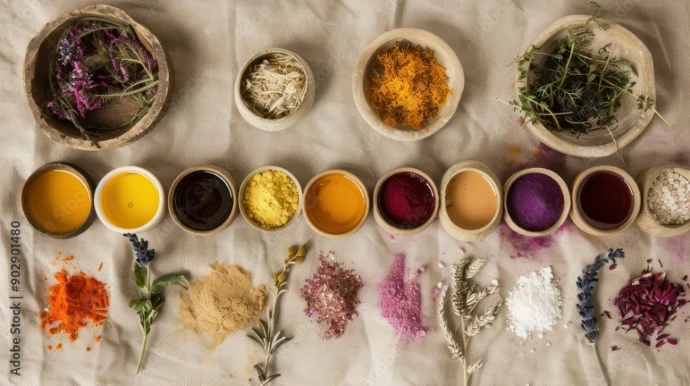
Among the most revered dyes was indigo, extracted from the Indigofera plant, which yielded deep and resonant blues. This colour was not merely aesthetic. It signaled mastery. Across garments, wraps, and decorative textiles, indigo became a visual language of skill, patience, and continuity.
Beyond blue, Kenyan dyeing traditions drew from an expansive natural palette. Reddish brown tones came from tree barks, roots, kola nuts, and local woods. Yellows, golds, and greens were derived from leaves, fruits, and flowers. These pigments were often intensified or fixed using natural minerals such as iron, ash, or soil, reflecting an early and intuitive understanding of chemistry.
Technique was as important as material. Methods such as tie dye, resist dyeing, wax resist applications, dip dyeing, and batik inspired patterning were practiced across communities. Each required precision and a deep understanding of timing, absorption, and repetition. Cloth was never neutral. Colour and pattern communicated identity by marking clan affiliation, social standing, and ceremonial significance.
Colonial intervention and the rise of industrial textiles disrupted these systems. Imported fabrics and synthetic dyes introduced speed and uniformity, gradually displacing localized and labour intensive practices. Yet these traditions did not disappear. They adapted, survived, and continue to exist in fragments and revivals across the country.
Today, natural dyeing persists within artisan communities, workshops, and small scale initiatives. It is increasingly understood not as a relic of the past but as a living practice that merges cultural memory with material science and sustainability with design.
How Traditional Dyeing Works: Methods and Techniques
Understanding natural dyeing requires looking beyond the finished fabric to the process itself. It is a layered and deliberate sequence where each step determines the depth, longevity, and character of the final colour.
Harvesting the material
Dyeing begins in the landscape. Leaves, bark, roots, seeds, and flowers are carefully collected, often with attention to sustainability so that plant life continues to regenerate.
Preparation

The raw materials are cleaned and processed. They may be dried, pounded, shredded, or soaked depending on their type. This stage prepares the material for pigment release.
Extraction
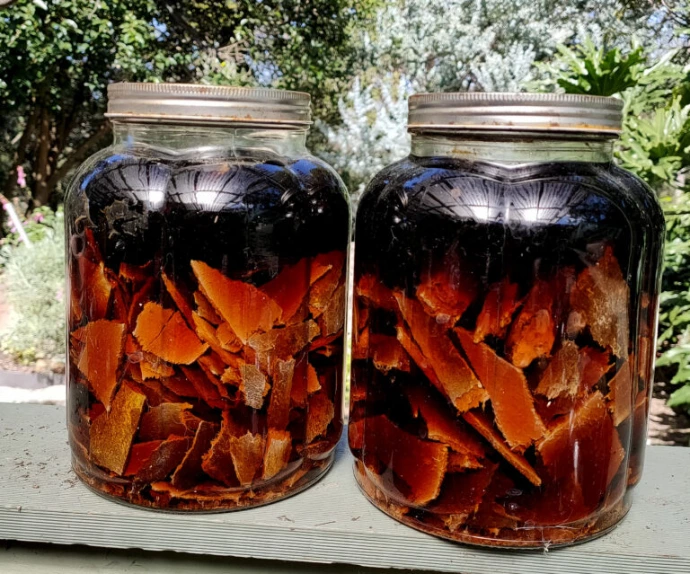
Pigment is drawn out through boiling or other localized extraction methods. This process can take several hours or longer as the goal is to fully release and concentrate the dye.
Mordanting
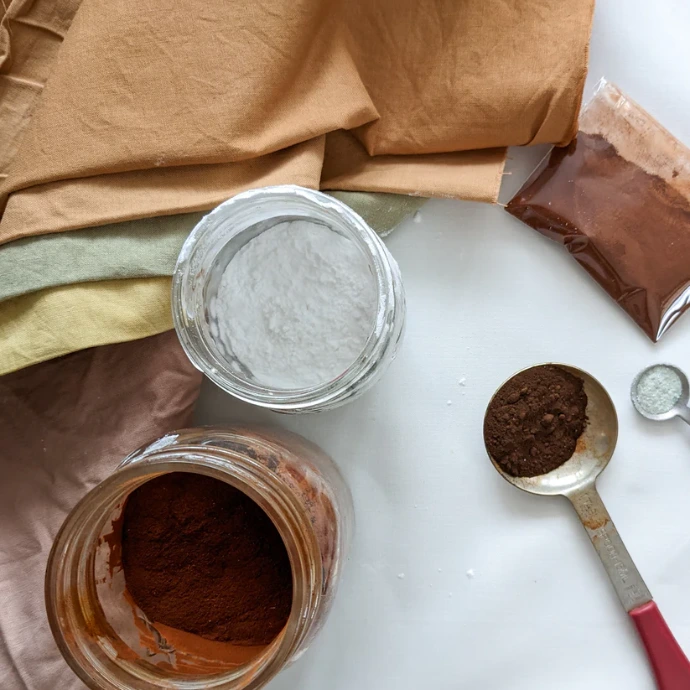
Before dyeing, fabrics are treated with mordants, which are binding agents that help the colour adhere and endure. Traditionally, these include ash, soda ash, mineral compounds, or plant based alternatives. Mordanting gives natural dyes their permanence and tonal richness.
Dyeing the fabric
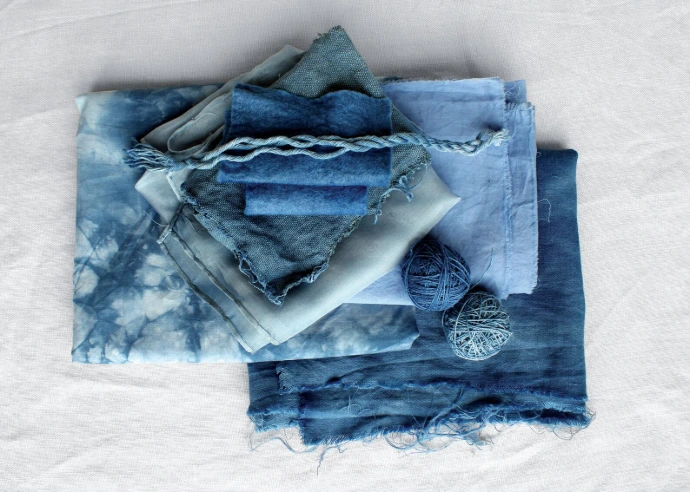
Textiles such as cotton, linen, or other plant fibres are immersed in the dye bath. The process may involve repeated dipping, soaking, or pattern manipulation through tying and resisting. Depth of colour is achieved gradually rather than instantly.
Washing and finishing
Once dyed, the fabric is rinsed to remove excess pigment and dried in the shade to preserve its integrity. Finishing may include pressing or soft treatment to stabilize the cloth and prevent early fading.
Pattern making through resistance
Design is created through controlled resistance. Techniques such as tying, binding, waxing, or stitching prevent dye from reaching certain areas, resulting in stripes, motifs, and symbolic patterns. These are not simply decorative. They carry meaning.
Natural dyeing is a knowledge system. It requires an understanding of material behavior, environmental conditions, and timing. Which plant produces which colour, how long to boil, when to immerse, and how to bind.
This knowledge is rarely written down. It is passed through practice and memory across generations, held in the hands of artisans who transform raw materials into cultural expression.
References
The Kenya Blog. (n.d.). Textile dye traditions of Kenya: From natural pigments to cultural expression. Retrieved from https://thekenyablog.com/blog/artandcraft/textile-dye-traditions-of-kenya-from-natural/
Botanical Realm. (2025, January 18). Indigofera nairobiensis. Retrieved from https://www.botanicalrealm.com/plant-identification/indigofera-nairobiensis/
Images
Gryllis, L. (2024, April 12). Dyeing with gum tree bark and how to change the colour. Retrieved from https://dyetocraft.com/dyeing-with-gum-tree-bark/
Side Lake Stitch. Retrieved from https://sidelakestitch.com/products/natural-dye-kit-01?pr_prod_strat=copurchase&pr_rec_id=be57ad1e3&pr_rec_pid=7354126762143&pr_ref_pid=7354077839519&pr_seq=uniform