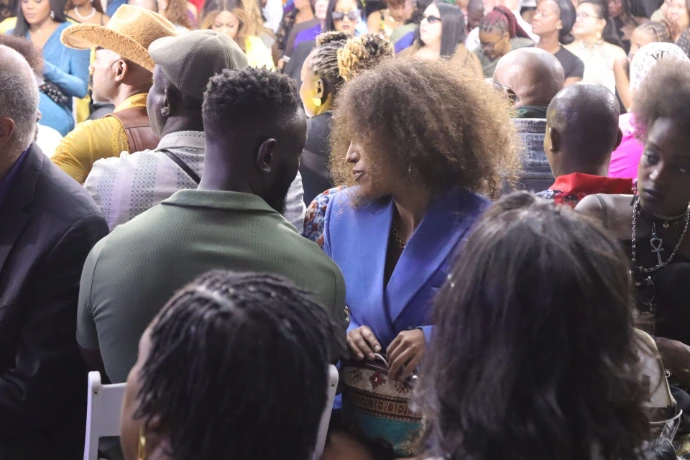
Nairobi Fashion Week unfolded over four days, opening with an intimate cocktail at Mateo’s Karen that immediately set the tone for a season defined by connection, creativity, and purpose. The atmosphere was relaxed yet deliberate, allowing guests to engage organically with sponsors including Jua, Air France, Indomie, Le Decanter, Mateo’s Italian Restaurant, and L’Oréal Paris, among others.
Le Decanter curated a selection of Italian wines, offering guests the opportunity to sample a prosecco distinguished by its pronounced flavour and subtly aged undertones, structured, expressive, and memorable.
Indomie’s presence initially felt unexpected, almost tedious at first glance. Yet, upon reflection, it made perfect sense. Few brands are as embedded in everyday Kenyan life. For many, Indomie has been the difference between sleeping hungry and having a warm meal. À tout seigneur, tout honneur.
Air France approached the evening with intention, actively engaging former clients and openly inviting feedback. This is perhaps what stands out most about European companies: issues are addressed directly, and dialogue is taken seriously. Their gesture, a $500 travel voucher awarded to one participant, was thoughtful, generous, and undeniably chic.
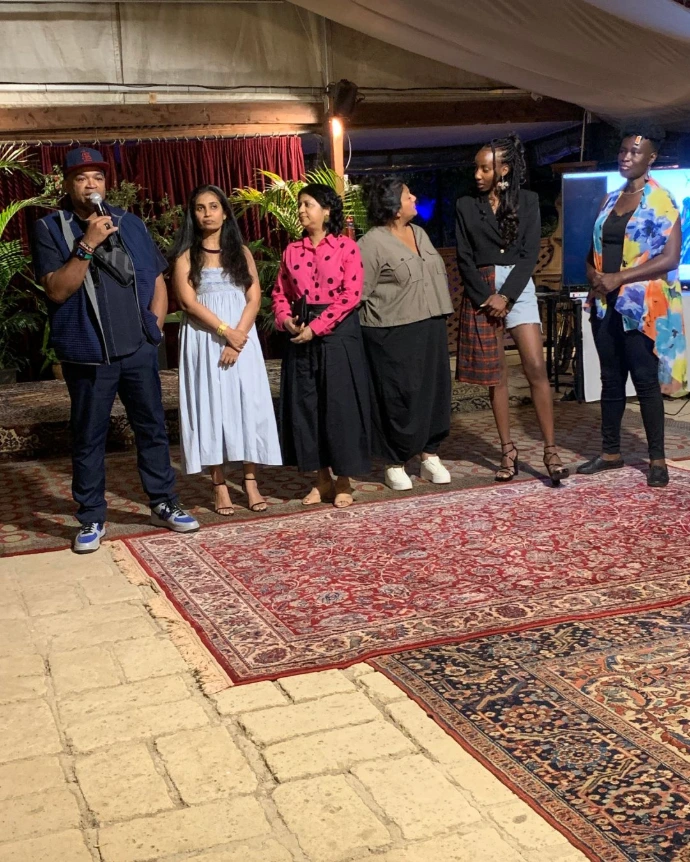
The designer lineup mirrored this spirit of openness and exchange. A notable number of foreign designers participated a choice that sparked conversation. However, as the narratives unfolded, it became clear that this was not merely about inclusion. It was a deliberate effort to foster technical exchange, share expertise, and strengthen the industry through collaboration. After all, for Kenya to truly position itself as a fashion hub, diversity is not optional. Clock that.
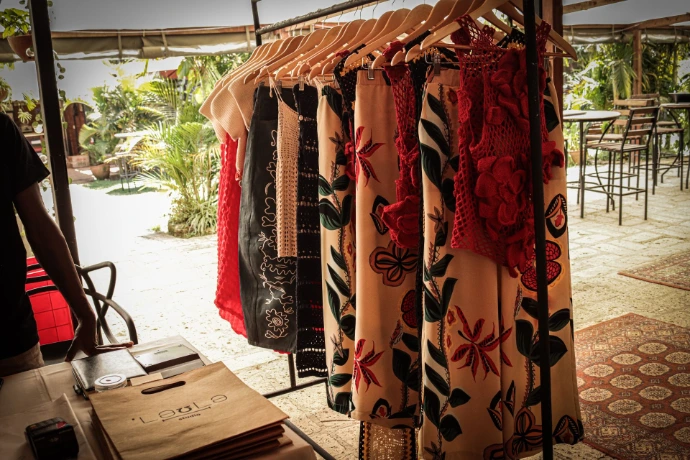
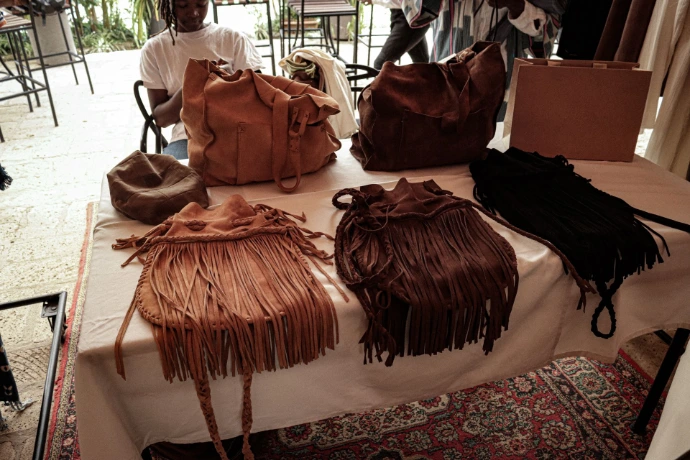
The following day brought the pop-up market, still at Mateo’s, and it was a feast for the senses. The aesthetic leaned distinctly bohemian, with warm browns, soft whites, and vivid reds interplaying through layered patterns that caught and reflected the light. The styling harmonised effortlessly with the venue’s décor, creating a visual rhythm that felt both curated and free-spirited. At moments, it felt less like a market and more like a carnival, alive with movement, texture, and curiosity.
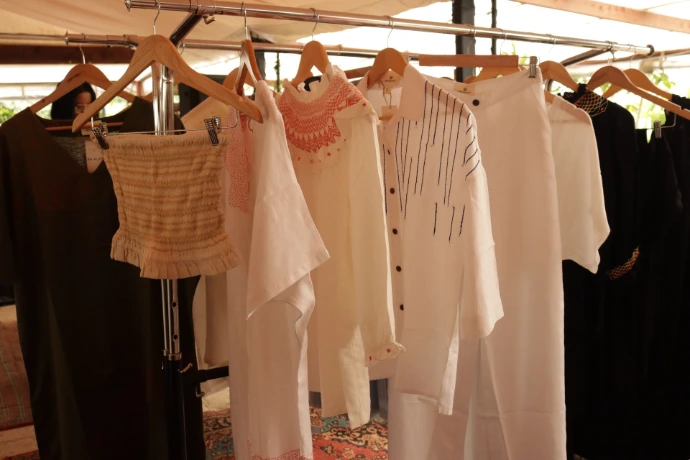
Materiality took centre stage. Linen, cotton, and silk were explored through remarkably varied interpretations, each designer offering a distinct perspective. Dyeing techniques added further richness, with one approach standing out in particular: the consistent and intentional use of natural dyes. This grounded the collections in both sustainability and tradition, reinforcing a return to mindful craftsmanship.
Leather appeared primarily as an accent, most notably in accessories such as bags. In select garments, fine leather strands were integrated into the design itself, enhancing structure and movement without overpowering the softness of the fabrics.
Velvet and velveteen were used with unexpected finesse, manipulated to achieve a velour-like feel while maintaining lightness and breathability, an impressive technical balance.
The most striking innovation, however, was the use of milk as a textile. Sourced from milk past its consumption date, the material undergoes a process that removes protein and transforms it into a solid, wearable fabric. It was a powerful reminder of how sustainability and innovation can intersect, turning waste into something tactile, elegant, and forward-looking.
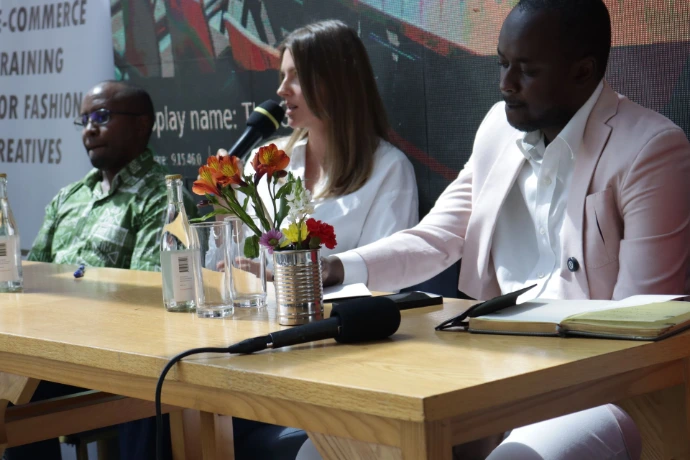
The third day featured a panel discussion at Social House. Bathed in sunlight, the venue was filled with journalists, fashion enthusiasts, and photographers, a vibrant, energetic crowd. Industry experts addressed recent developments in sustainable fashion, emphasising the importance of integrating sustainability at every stage of the production cycle and establishing mechanisms to ensure accountability.
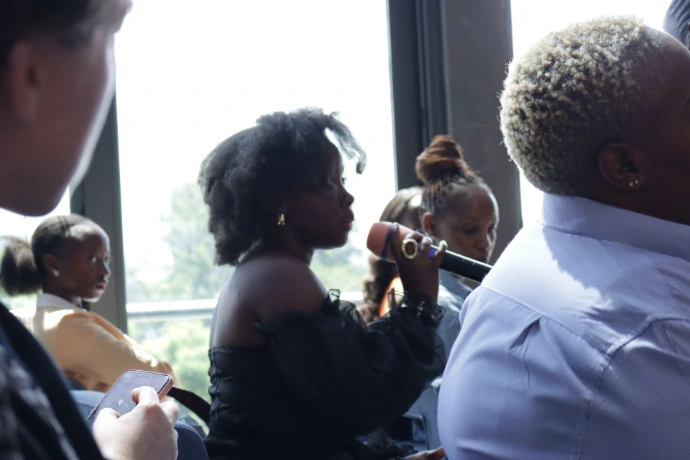
One particularly resonant point questioned why sustainability budgets for Africa are often managed by the EU, rather than being reinvested directly into the continent. It was a question that lingered long after the discussion ended.
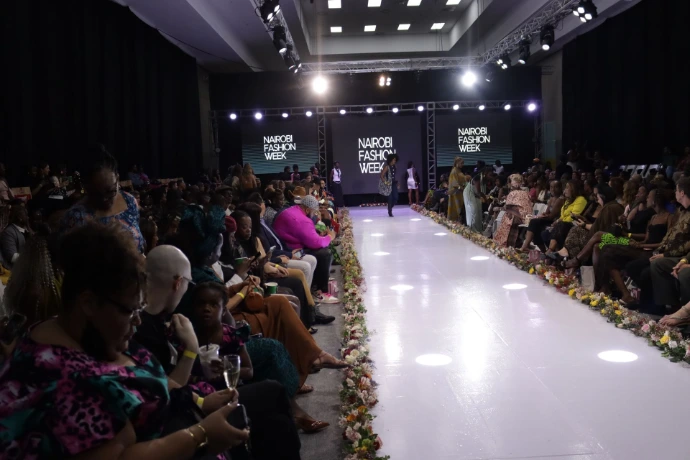
When it came to the runway, presentation proved decisive. Certain designs stood out not solely for their originality, but for how they were staged and carried. Seating was arranged to allow more space than in previous editions; however, the elongated catwalk encouraged a faster pace, occasionally making it difficult to fully absorb each look. While not ideal, the setup still allowed most attendees a clear view, making the experience manageable and inclusive.
And then there were the attendees.
Because let’s be honest, the fashion show was happening both on the runway and everywhere else.
Everyone understood the assignment. Fully. No notes.
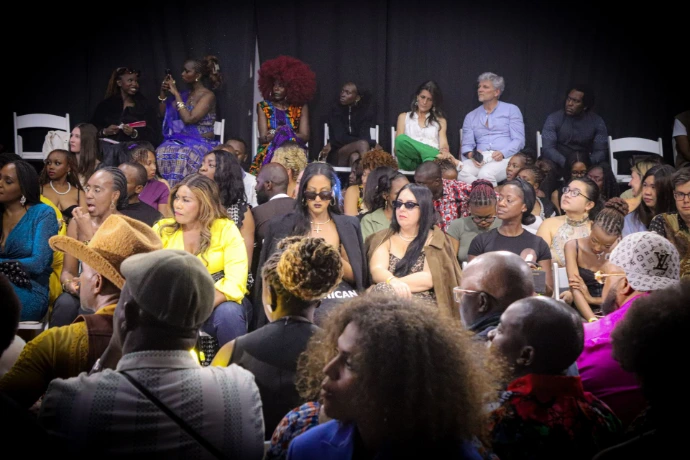
First, the matching-shades duo. You know the ones. Sitting side by side, black sunglasses on indoors, outfits so coordinated they might as well have planned it on a shared Google Doc. Perfectly put together, slightly intimidating, effortlessly photogenic. The cliché of every fashion show since the beginning of time and I hate to admit it, but I am absolutely a fan. The mysterious look? It just works. Every. Single. Time.
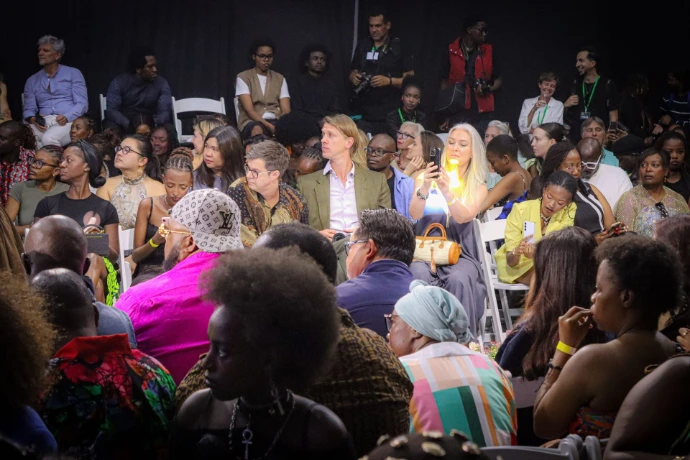
Then came the aloof couple. Calm. Unbothered. Giving nothing and everything at once. At first glance, they looked almost careless, as though they’d just thrown something on. But look closer and the flair revealed itself. The kind of people who make you question how hard you tried but missed the mark at Keeping IT simple but complex at the same time
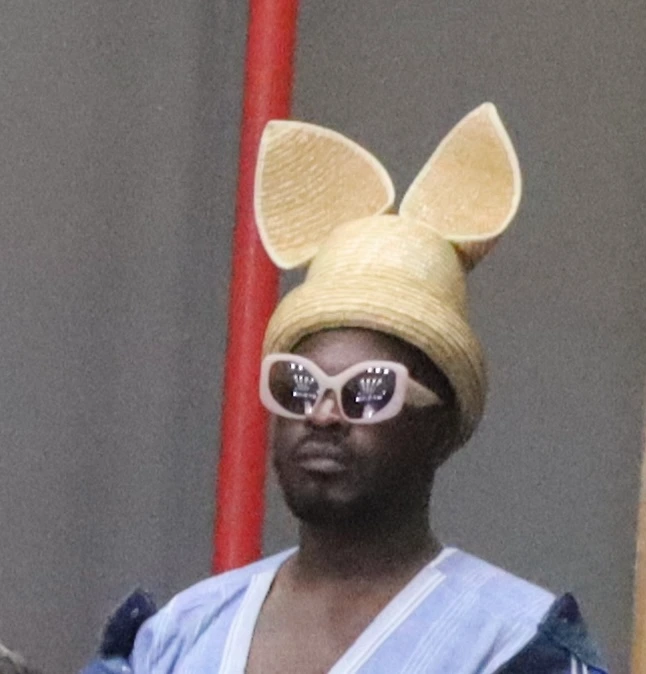
And of course, the fashionistas. Capes sweeping the ground, shiny accessories catching the light, demanding attention before a single word was spoken. These were not outfits meant to blend in. These were dramatic, confident, and gloriously eye catching.