
The opening day of the I Do! Wedding Expo runway made one thing clear. Bridal fashion is no longer interested in telling a single story about marriage. Instead, each designer presented a different philosophy of love, commitment, heritage and identity. The result was a runway that moved from deeply personal reflections to technical mastery, proving that the modern wedding wardrobe has become as layered as the relationships it celebrates.
Ashok Bespoke | Black and White
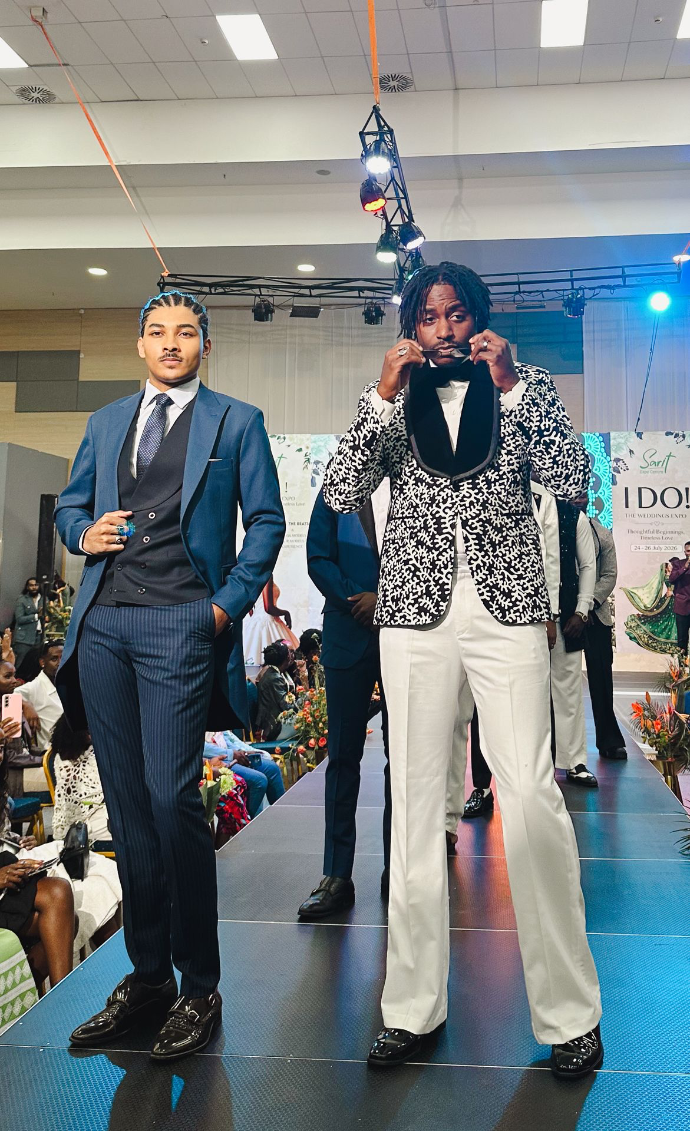
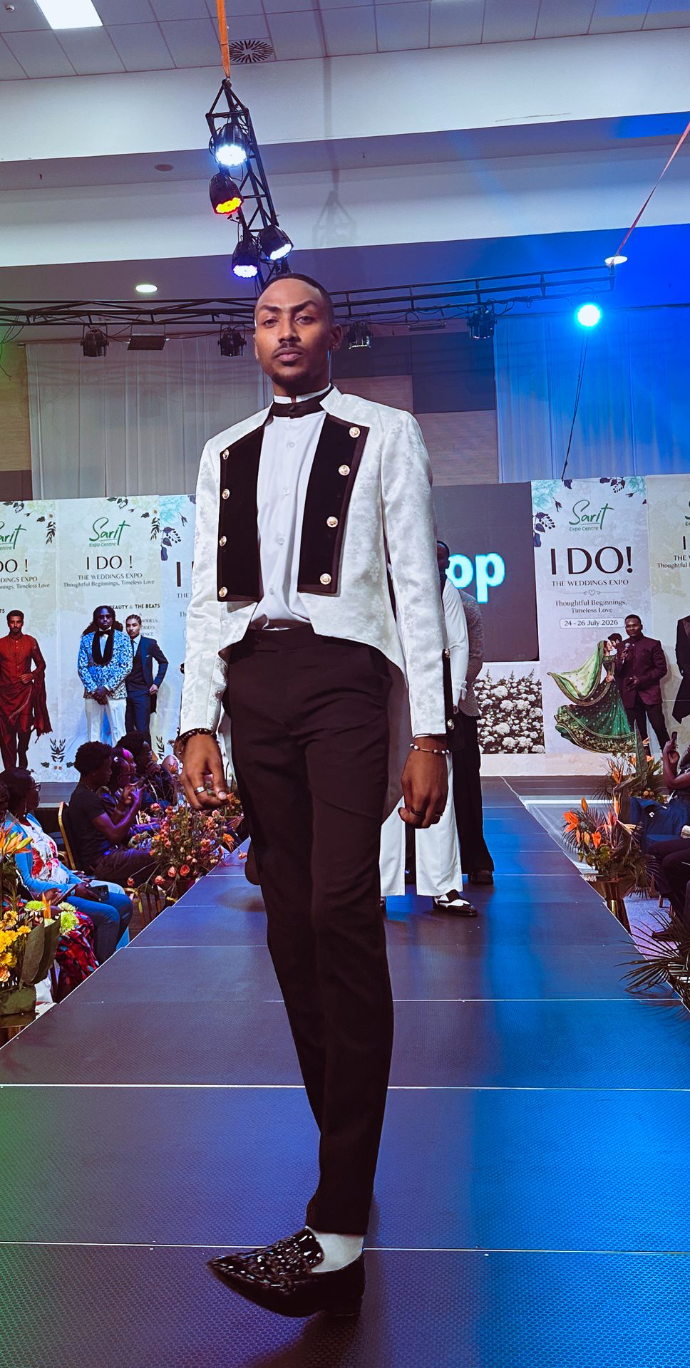
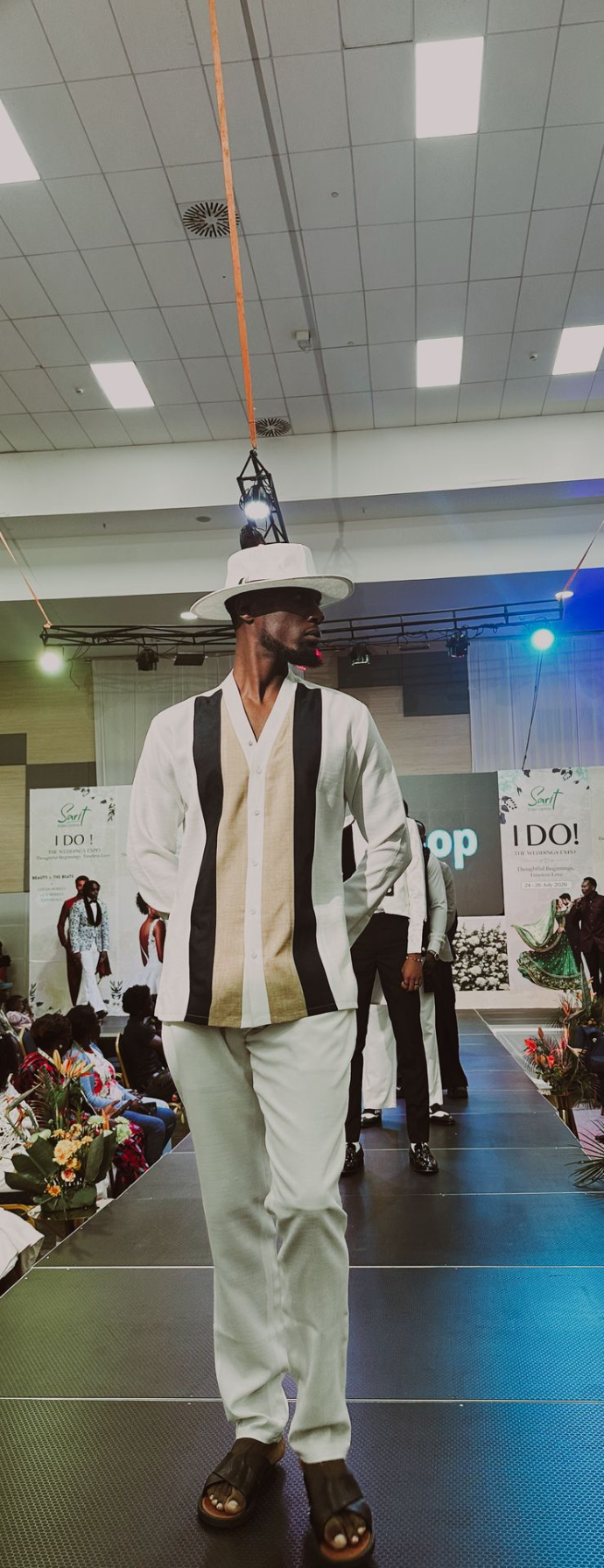
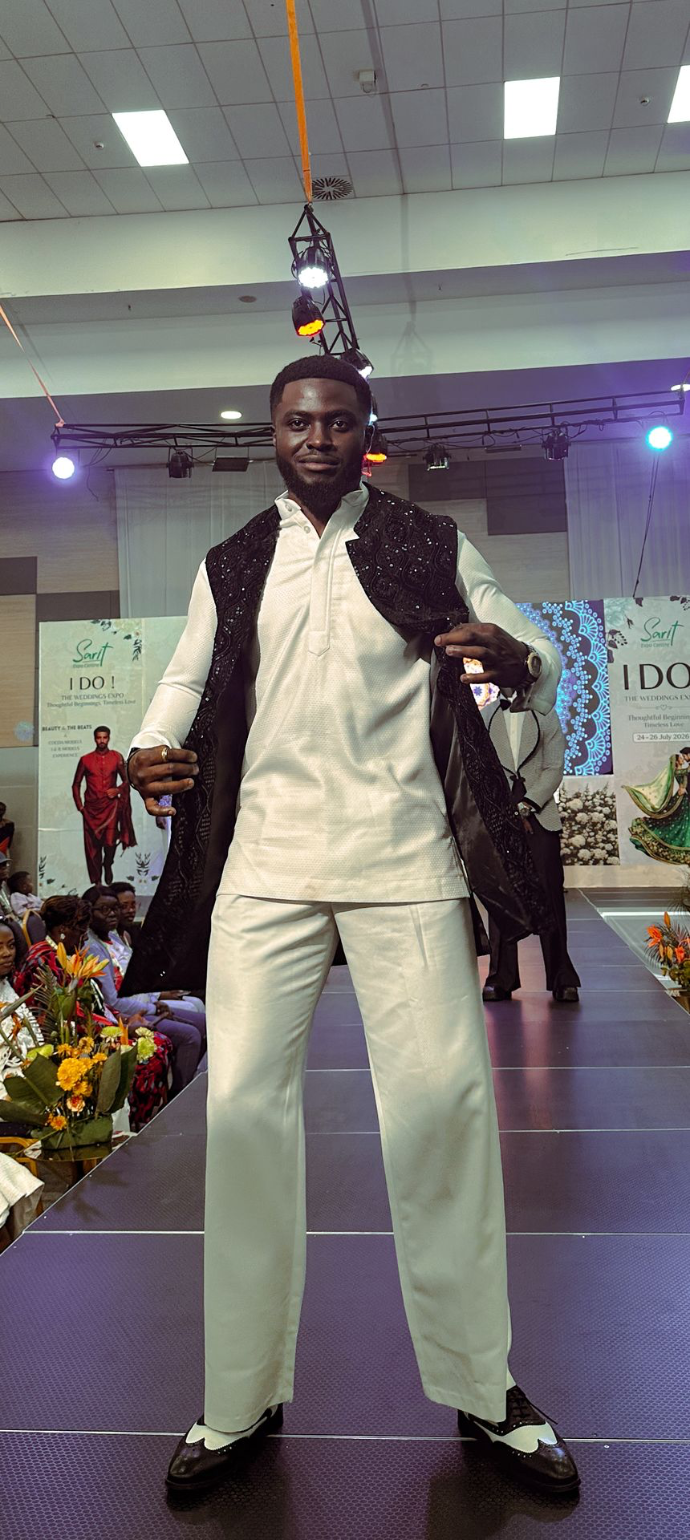
At first glance, a collection built entirely around black and white feels almost restrained. In reality, Ashok Bespoke used the absence of colour to make his loudest statement.
According to the designer, Black and White reflects a world that has been simplified. Nuance sometimes feels overhwelming. Yet fashion has always found its greatest strength in moments of simplicity. Designers have the rare ability to uncover beauty where others see only conflict.
That philosophy translated beautifully onto the runway. Instead of feeling severe, the collection felt unexpectedly joyful. Crisp tailoring, elegant silhouettes and the dialogue between light and dark created garments that celebrated contrast. It was a reminder that black and white are not merely opposites. Together, they create rhythm, balance and sophistication.
In a cultural moment obsessed with taking sides, Ashok Bespoke suggested that perhaps beauty still exists somewhere in between.
Giovane Gentile
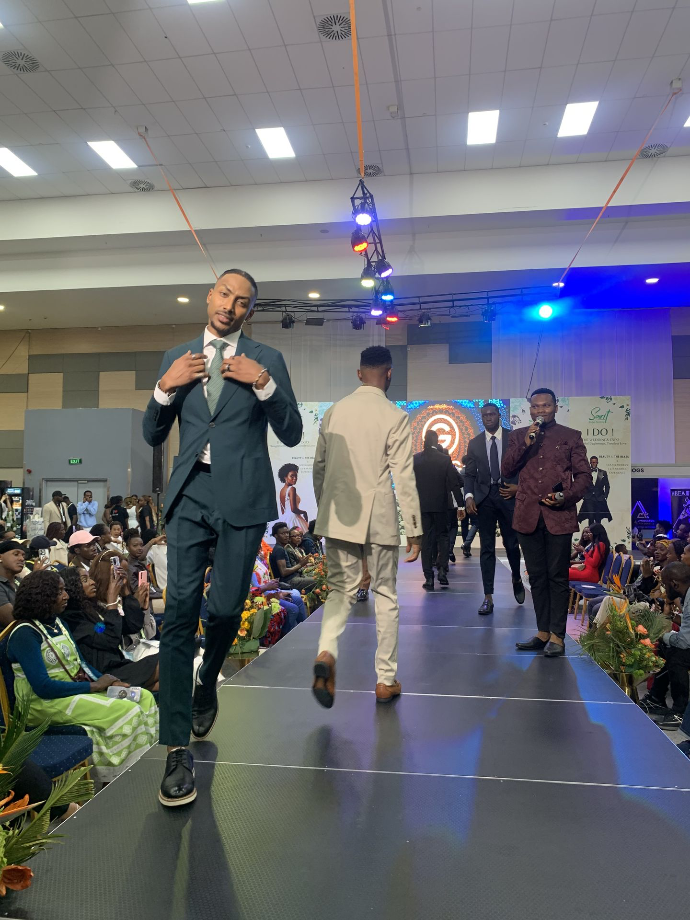
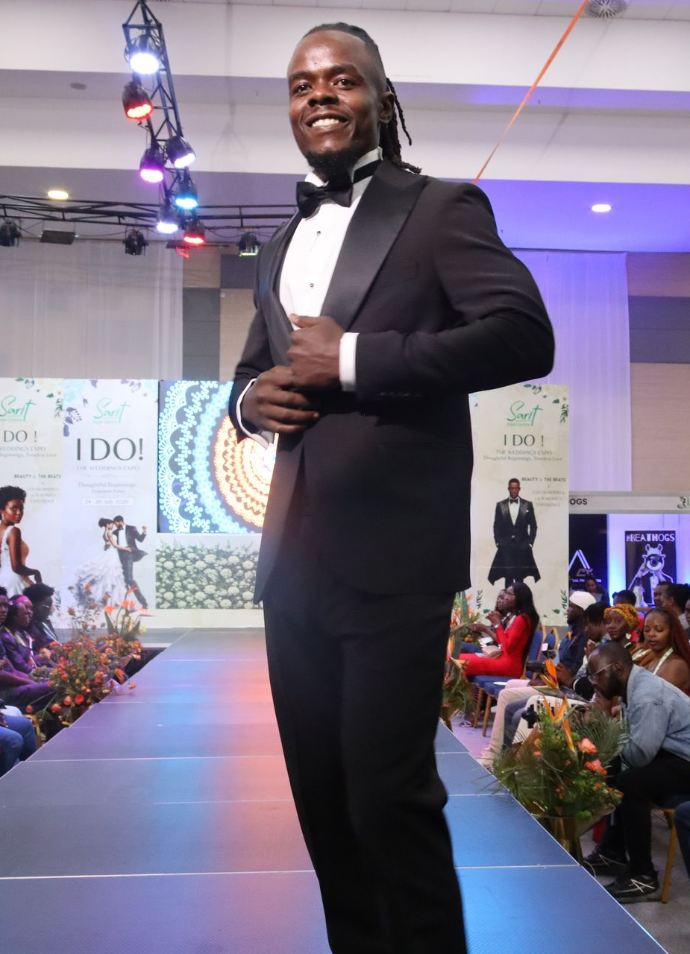
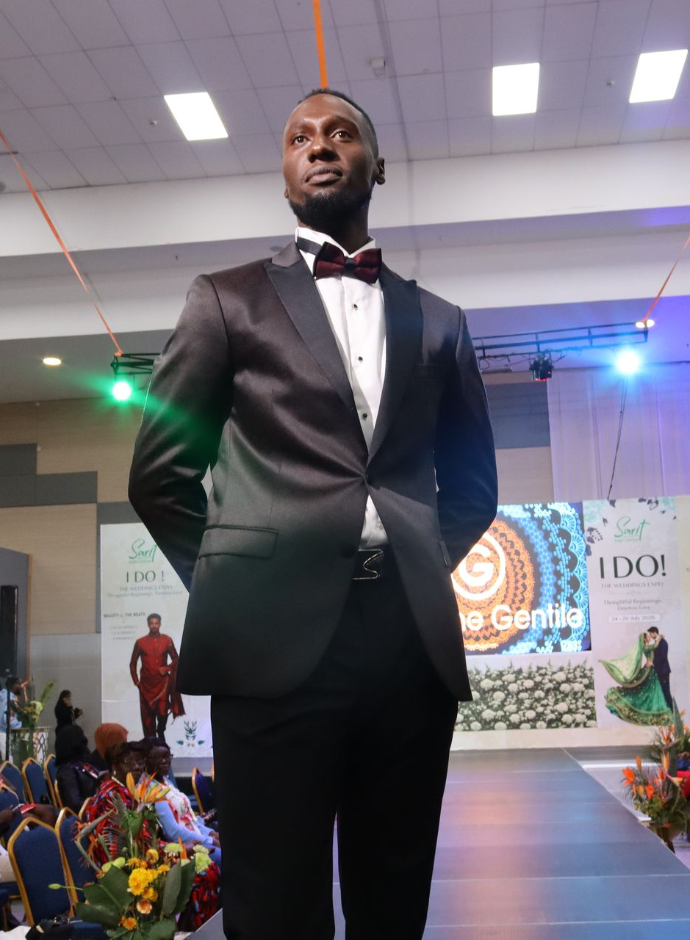
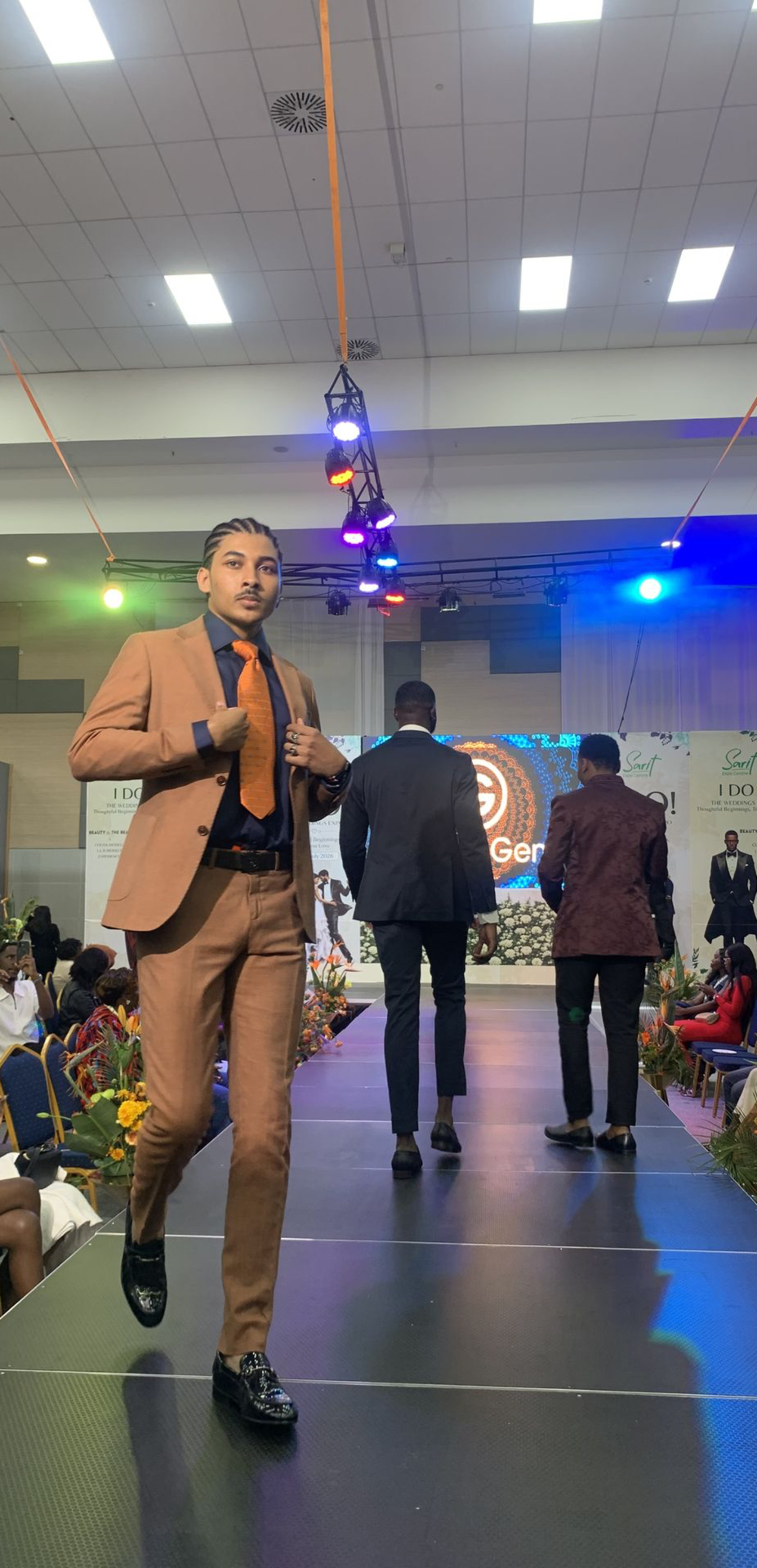
Giovane Gentile approached bridal menswear through the language of precision.
The brand has positioned itself within the space of affordable luxury, and that balance was evident throughout the collection. Exceptional fabric choices met clean construction, while every garment demonstrated careful attention to fit and finish.
There were no unnecessary theatrics here. Instead, technical efficiency became the spectacle. Jackets sat exactly where they should. Trousers moved effortlessly. Every detail reinforced the idea that luxury is not always defined by excess, but by craftsmanship executed with consistency.
It was a confident reminder that timeless tailoring never goes out of style.
Jerop | Maisha
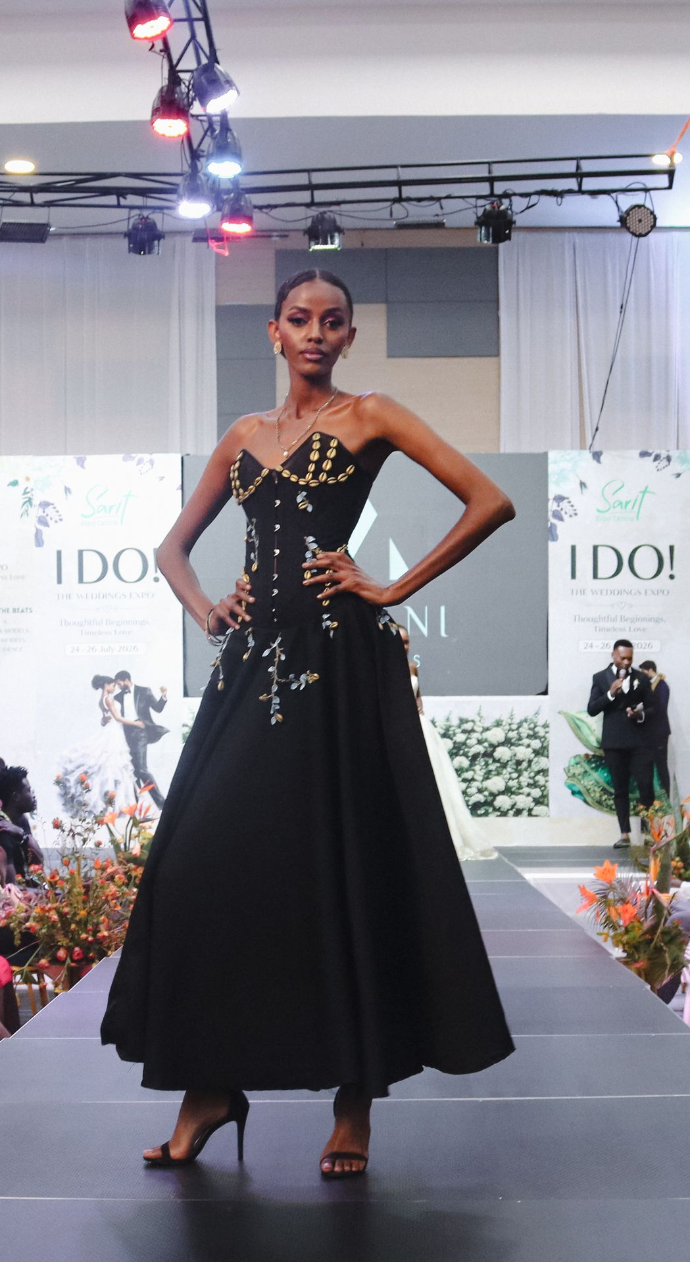
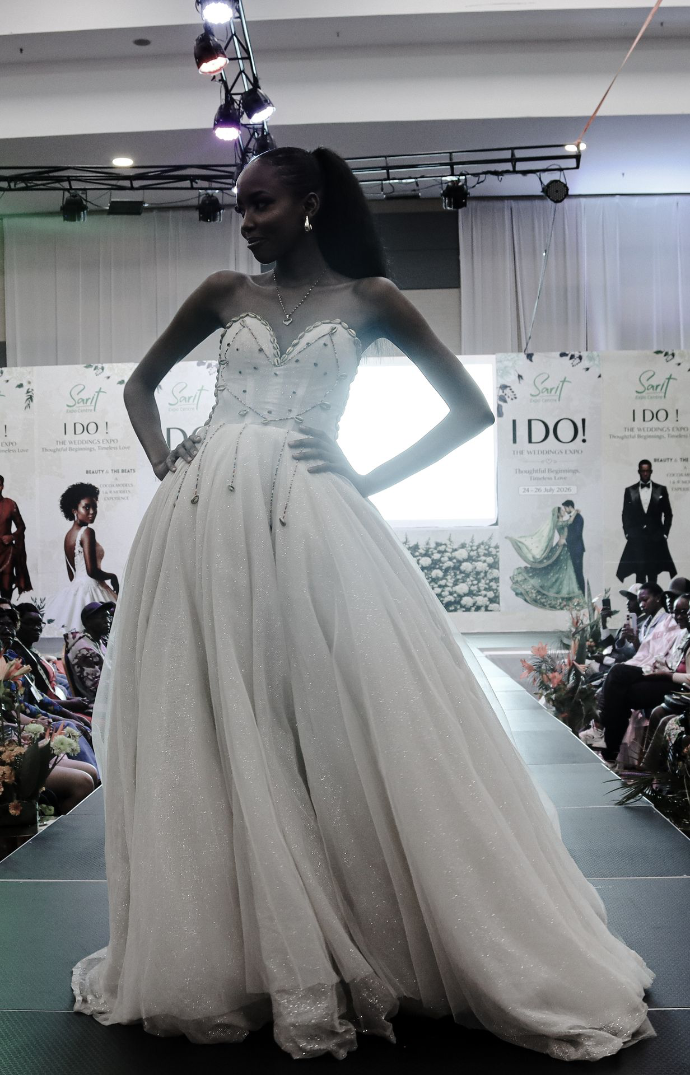
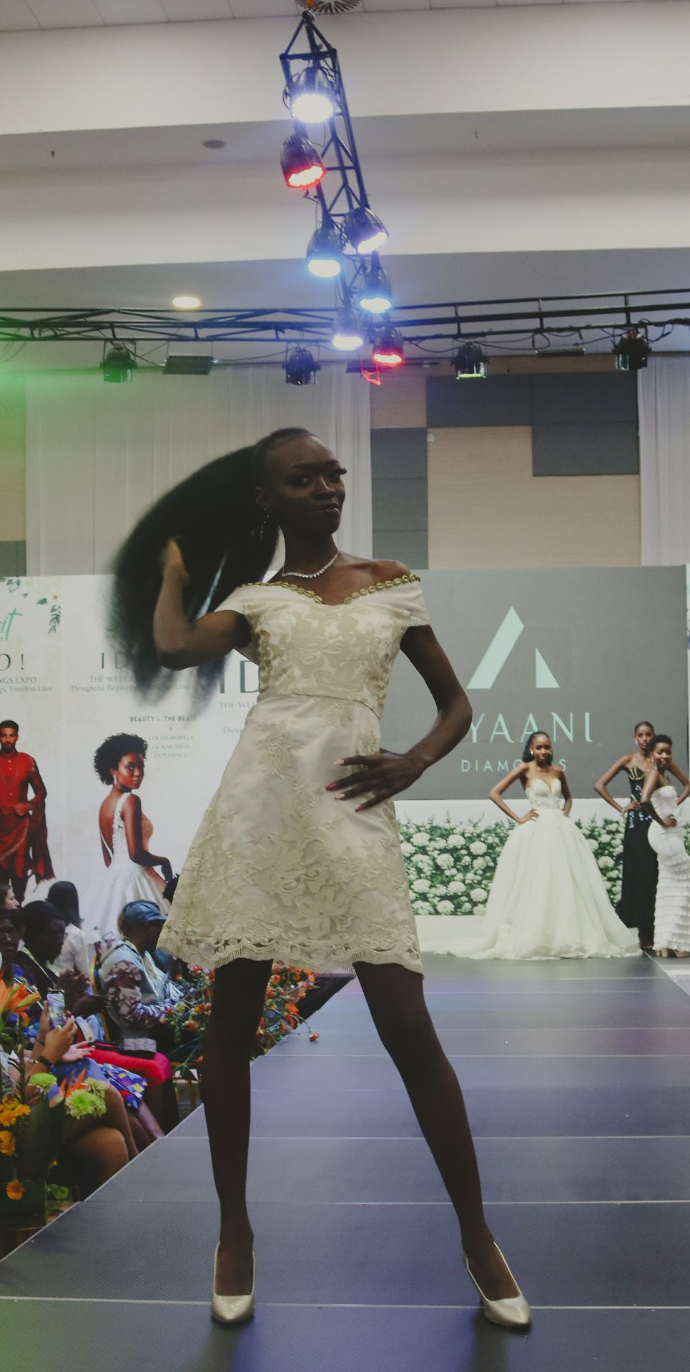
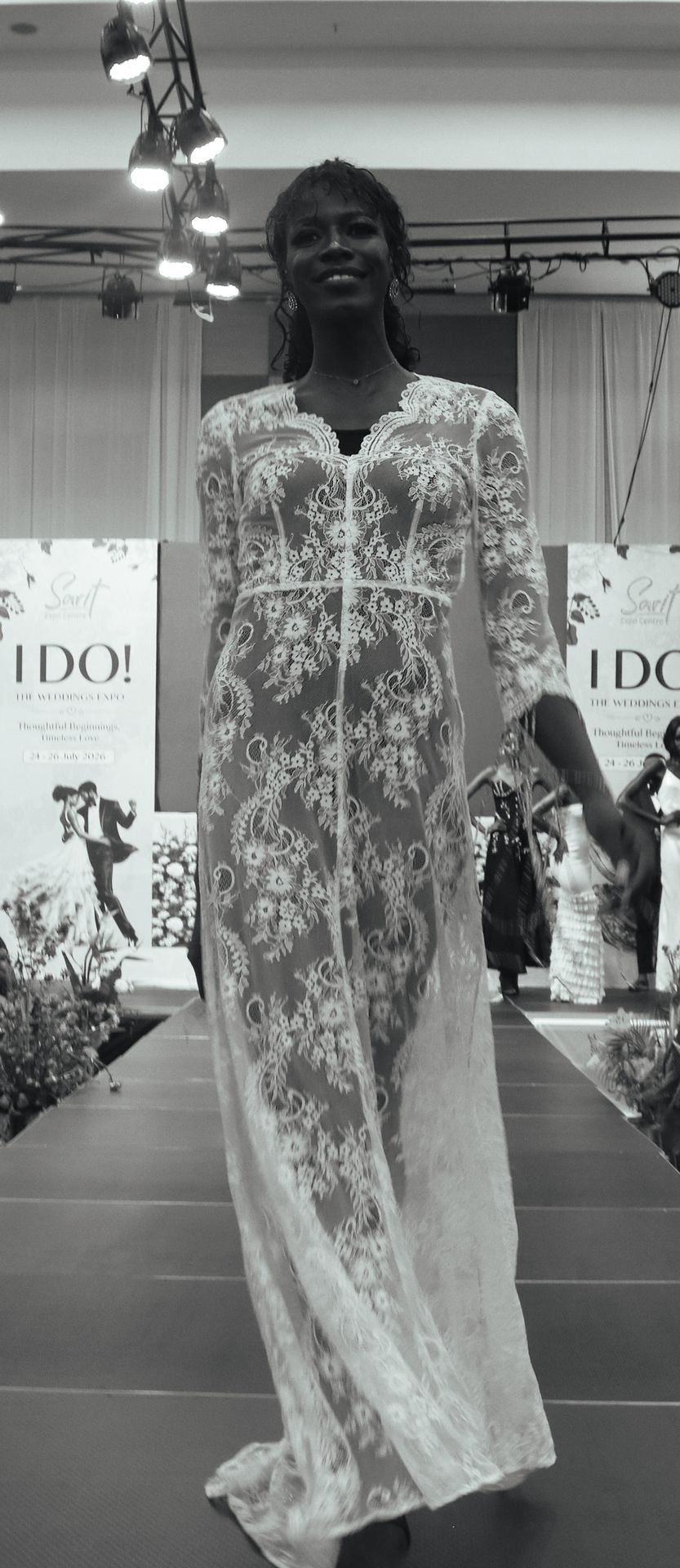
Few collections carried as much narrative weight as Maisha.
Rather than designing dresses alone, Jerop designed a journey.
The collection unfolds through colour, each shade marking a different chapter of love. Black represents struggle, those seasons that test commitment and character. White speaks of rebirth, forgiveness and the courage to begin again. Green draws from nature, symbolising growth, abundance, hope and the uncertainty that accompanies every shared future.
As Jerop explains, love resembles a jungle. It is unpredictable, demanding and alive. Only those willing to navigate its complexity together emerge stronger.
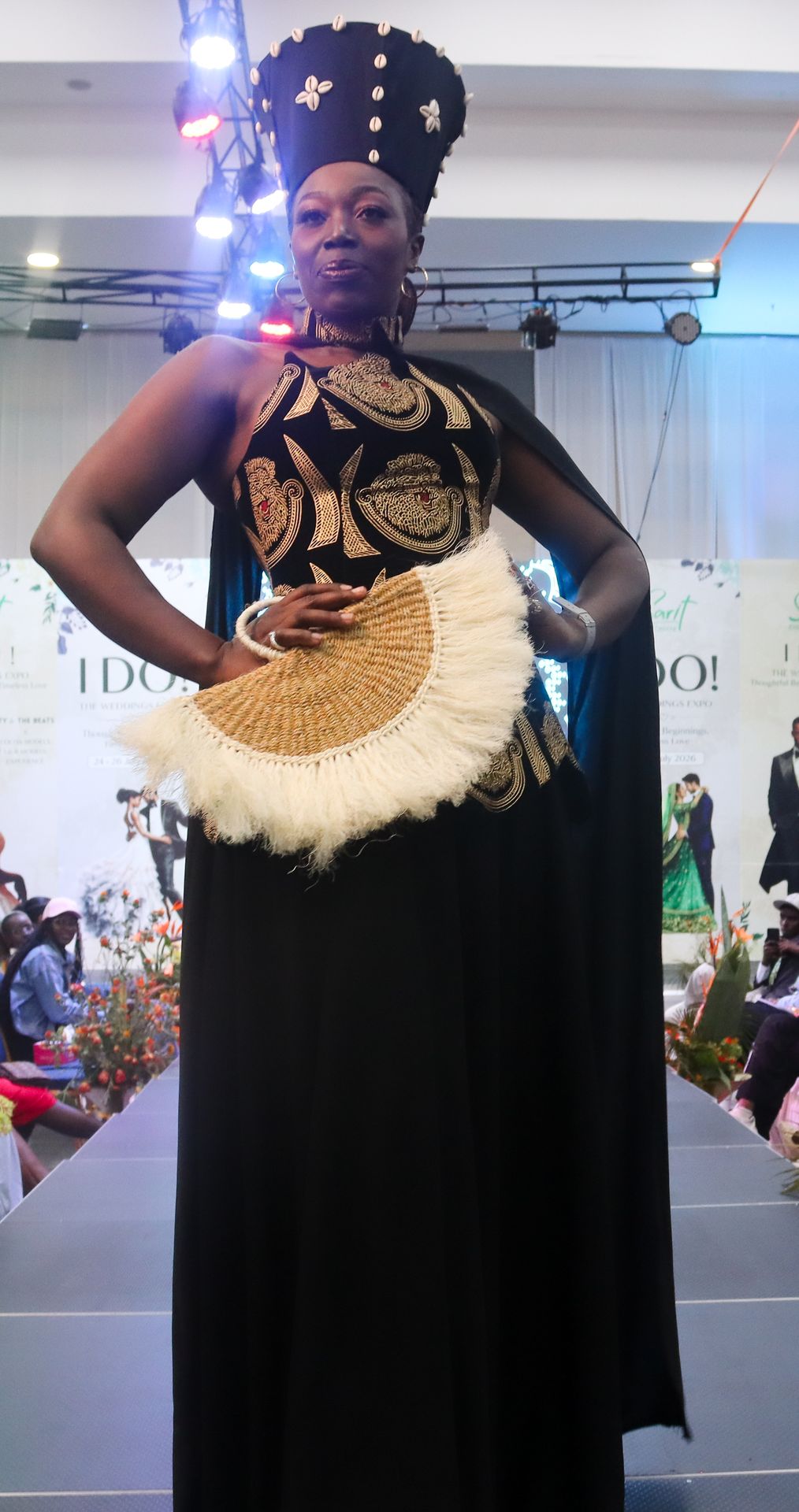
That symbolism extended beyond colour. Shells appeared throughout the collection as quiet but powerful references to African traditions surrounding marriage, family and community. Rather than romanticising culture, Jerop embraced both its beauty and its complexity, allowing heritage to become an integral part of every garment.
Ultimately, Maisha asks us to reconsider what marriage truly is. Love is not discovered in a single moment. It is constructed through countless daily choices, across every season of life.
June By Design
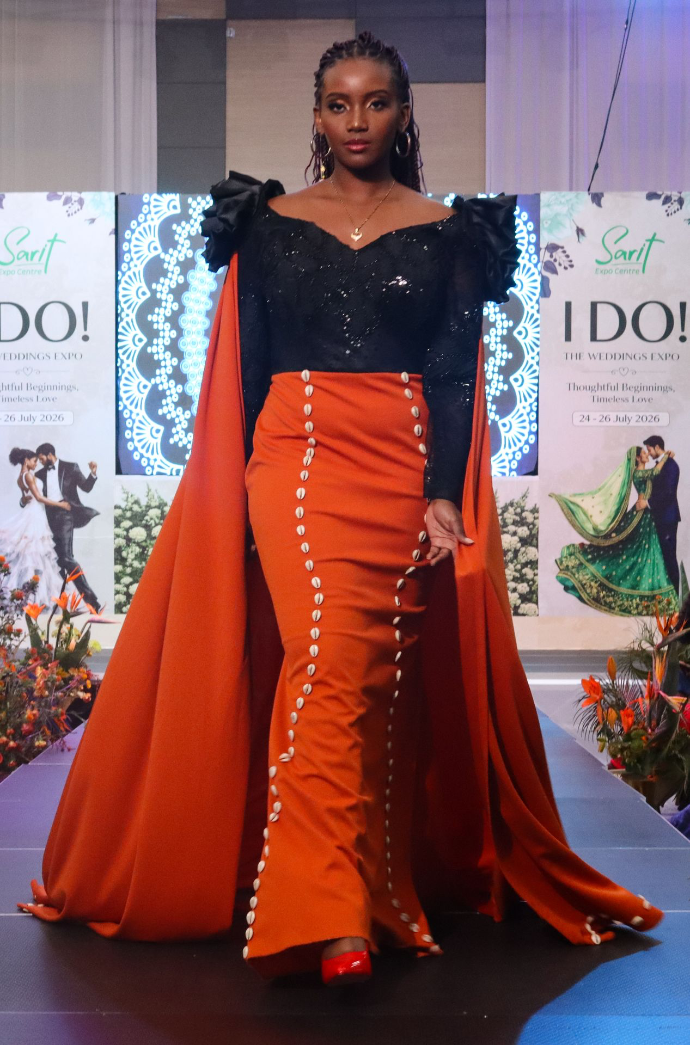
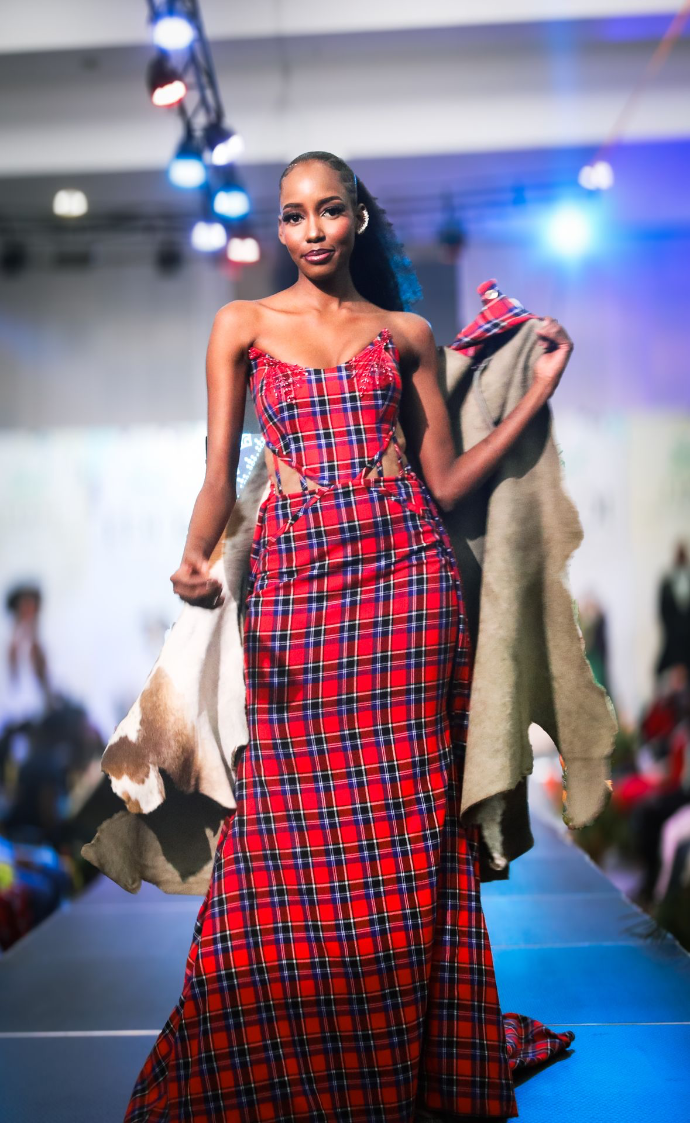
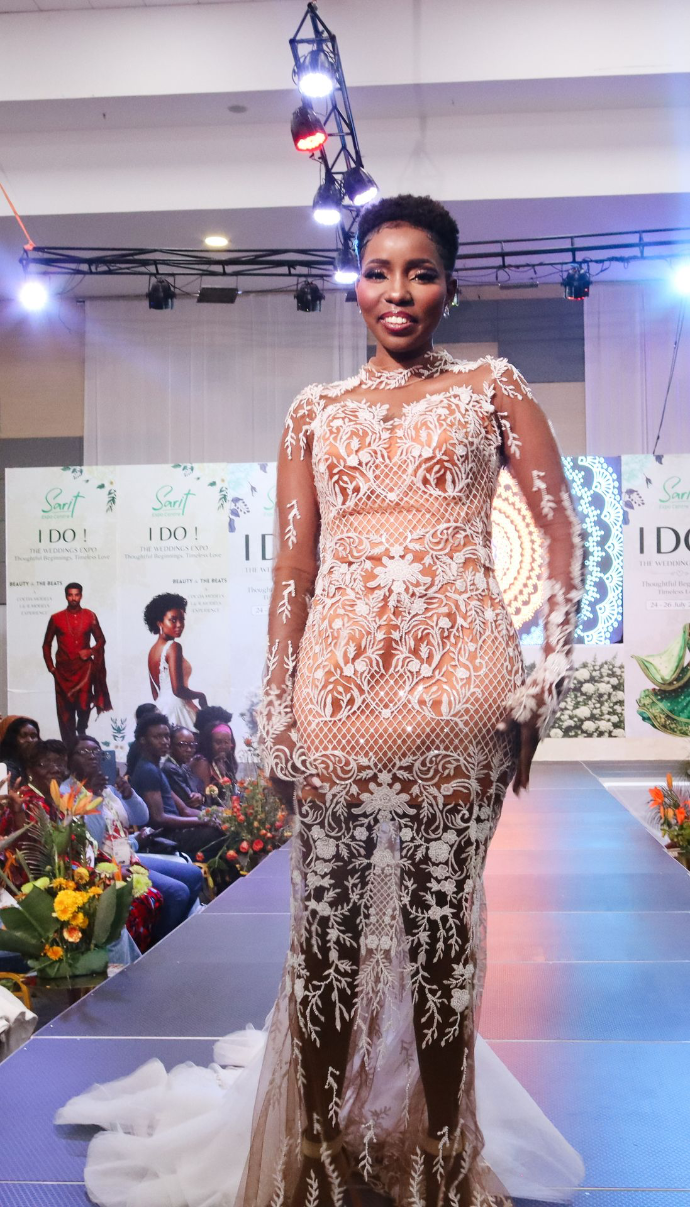
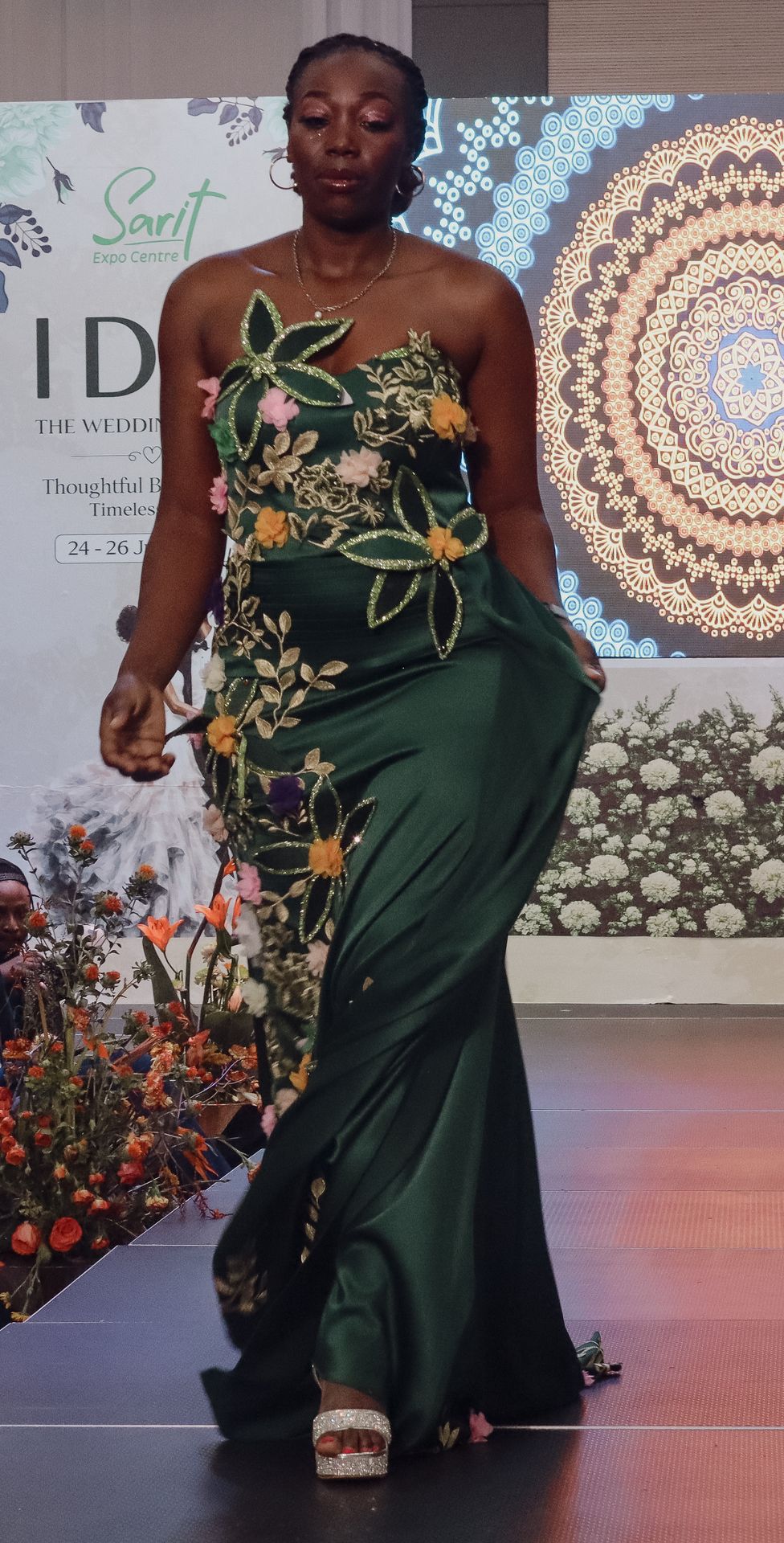
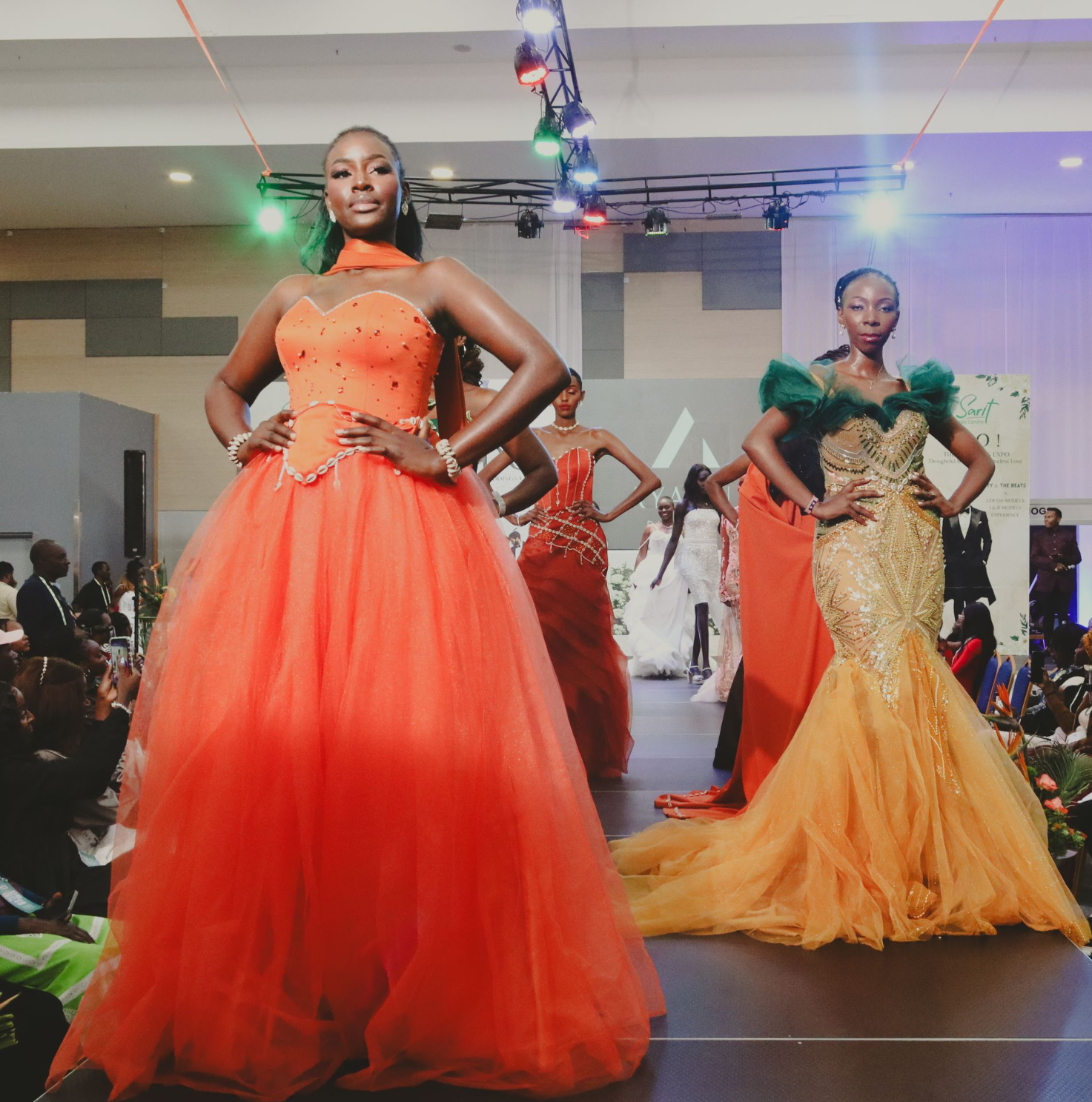
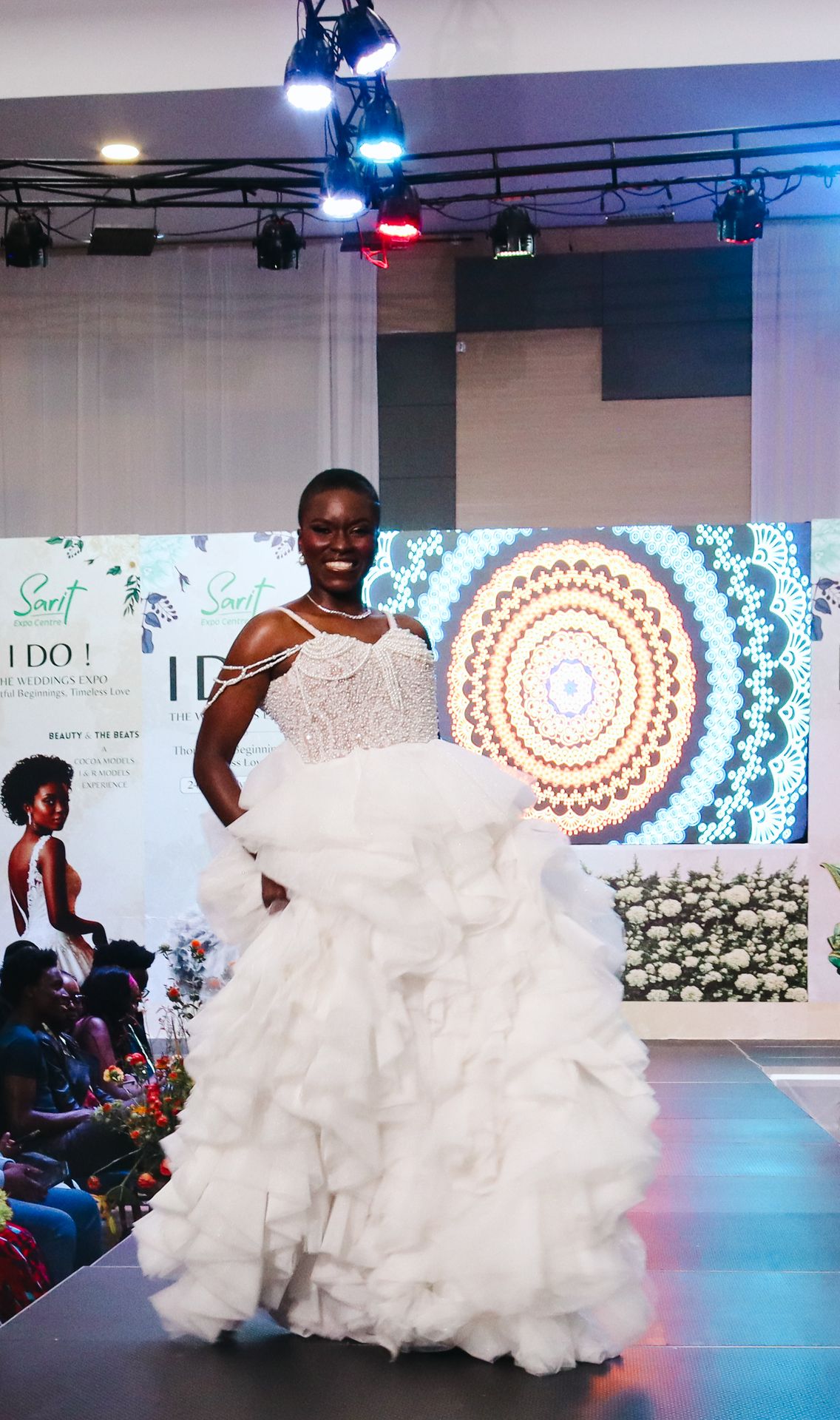
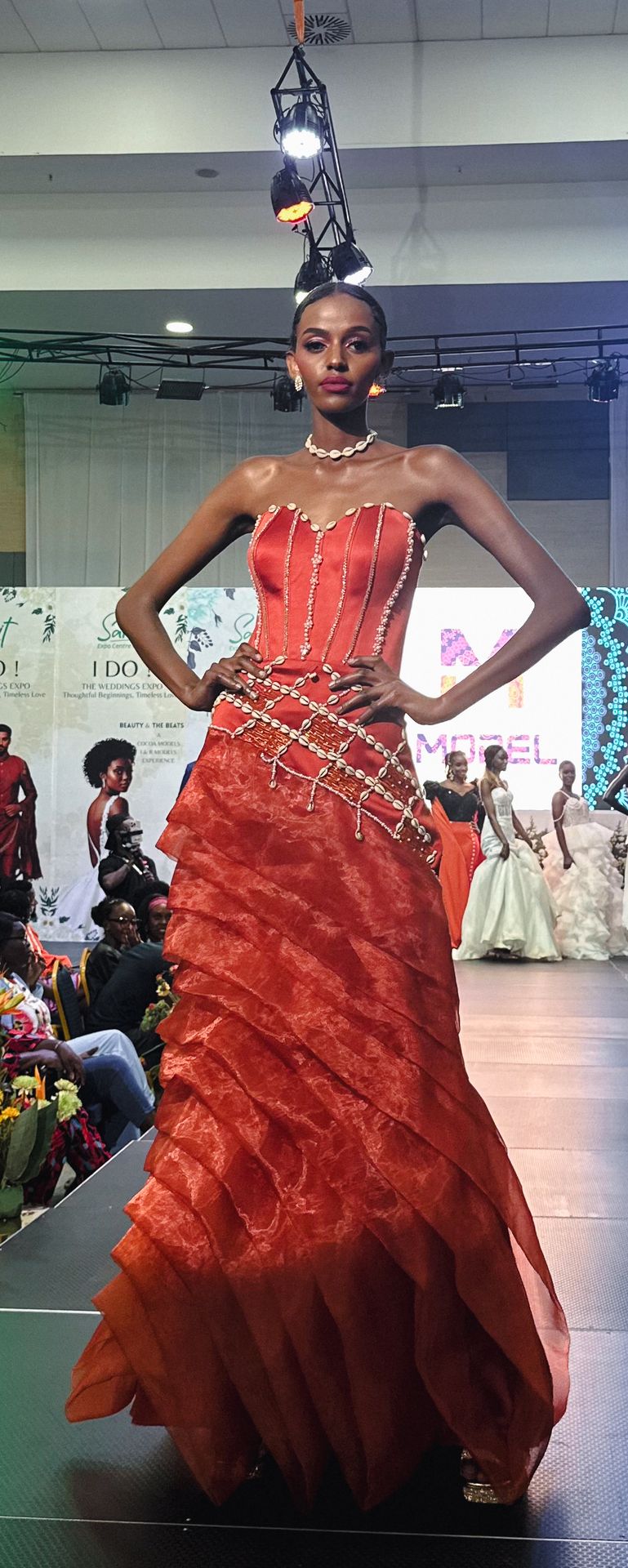
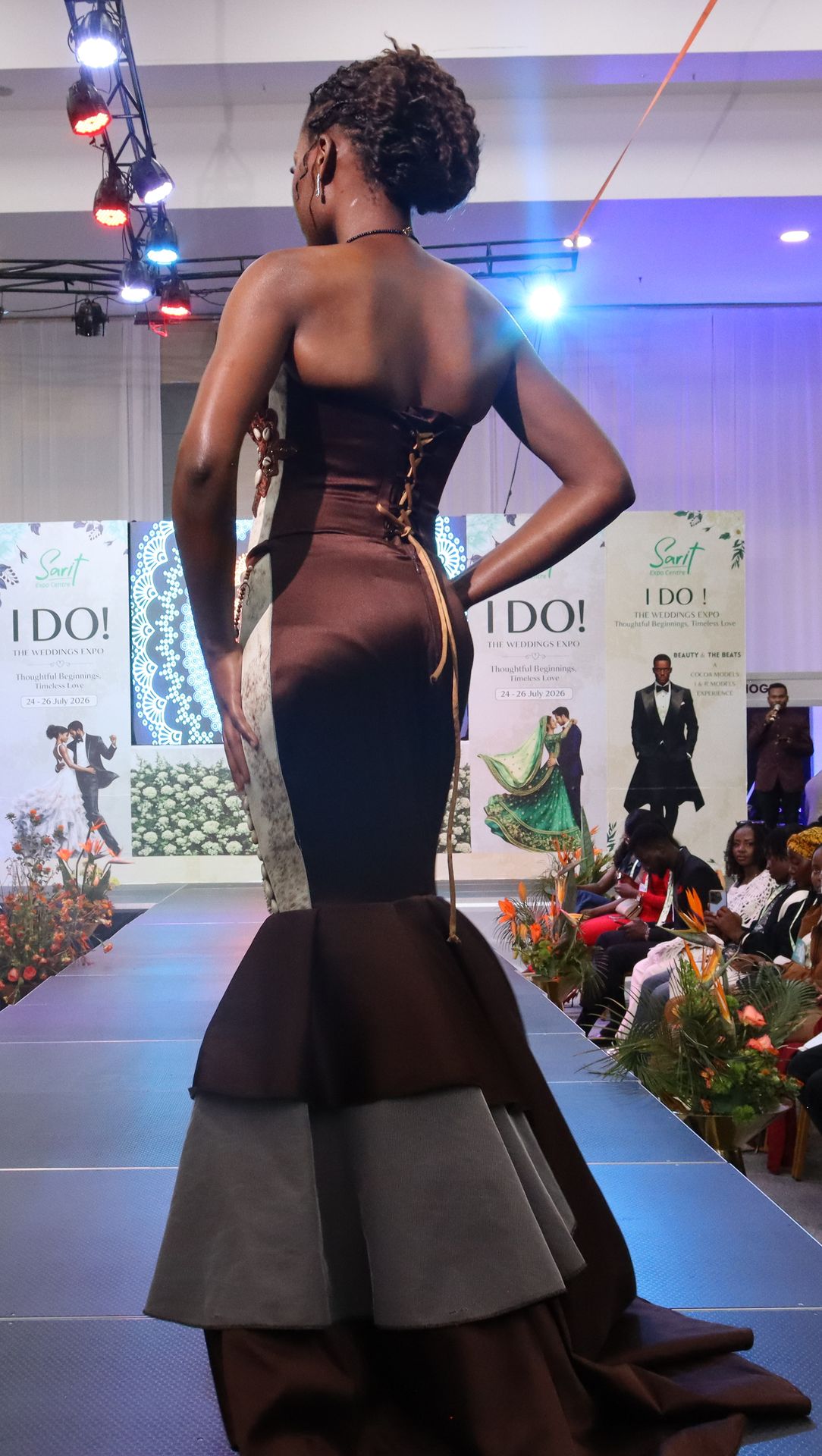
Where many contemporary bridal designers chase trends, June By Design looks backward in order to move forward.
Her garments draw heavily from traditional African wedding attire, incorporating cowhide, Maasai shuka, intricate beadwork, coral and other culturally significant materials. These are not decorative additions but symbols carrying generations of history.
For June, wedding attire should do more than make a statement for one day. It should connect the wearer to those who came before while preparing them for the future they are about to build.
The collection challenges the notion that tradition and modernity exist in opposition. Instead, they become collaborators. Heritage informs innovation, while contemporary silhouettes ensure these cultural expressions remain relevant for today's bride.
It is a philosophy rooted in continuity rather than nostalgia.
Flamingo 254
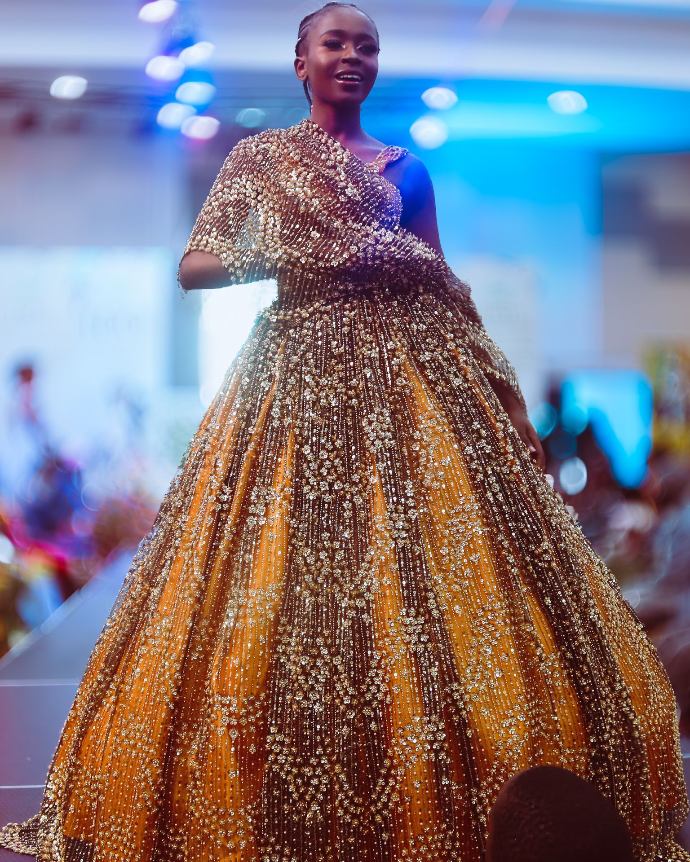
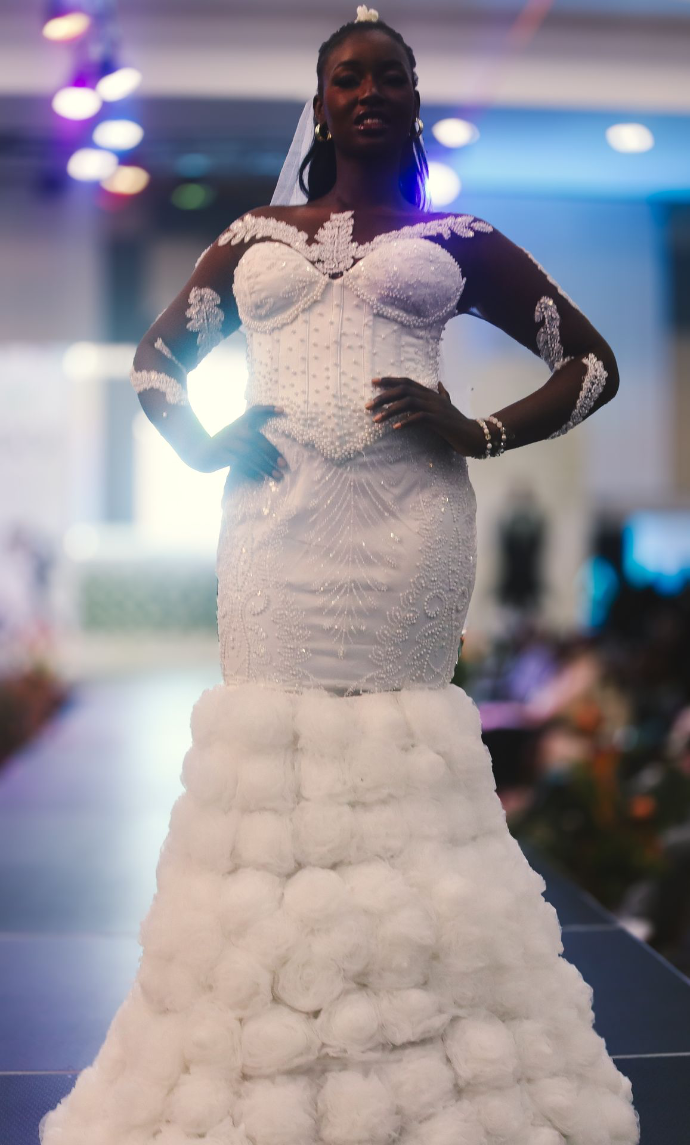
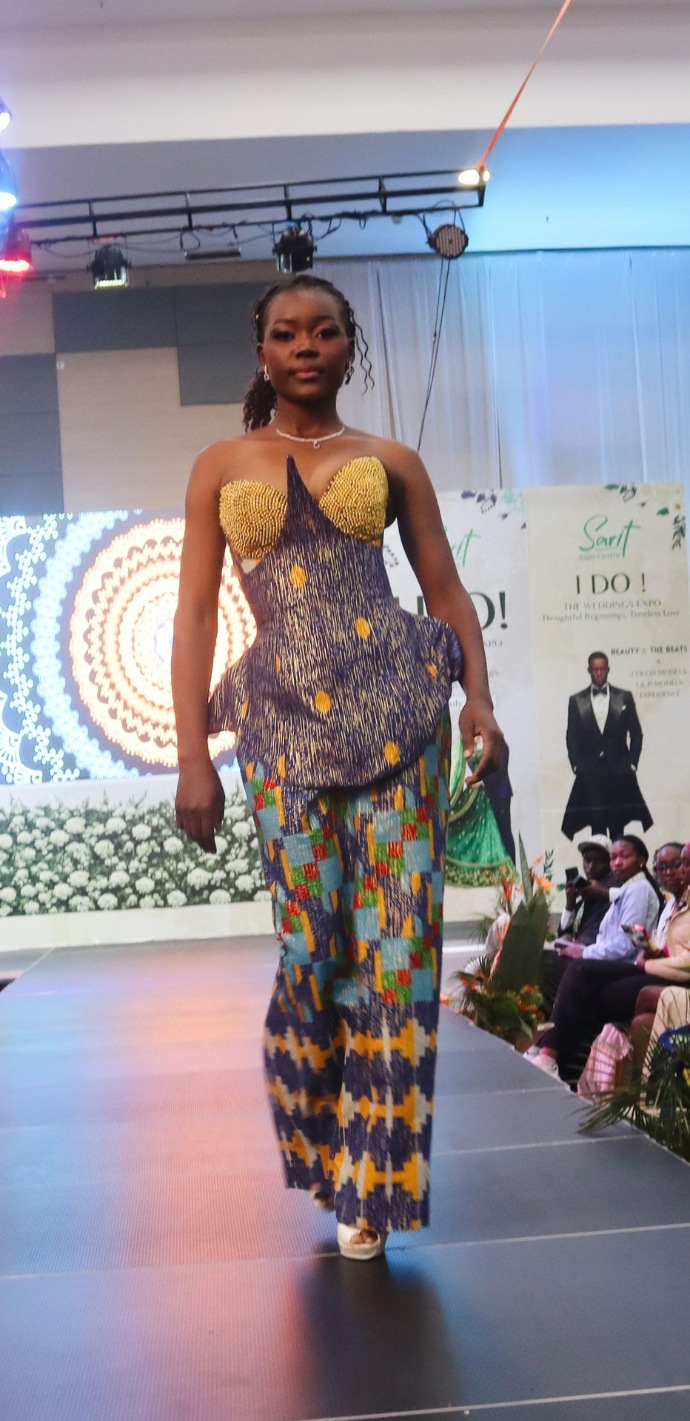
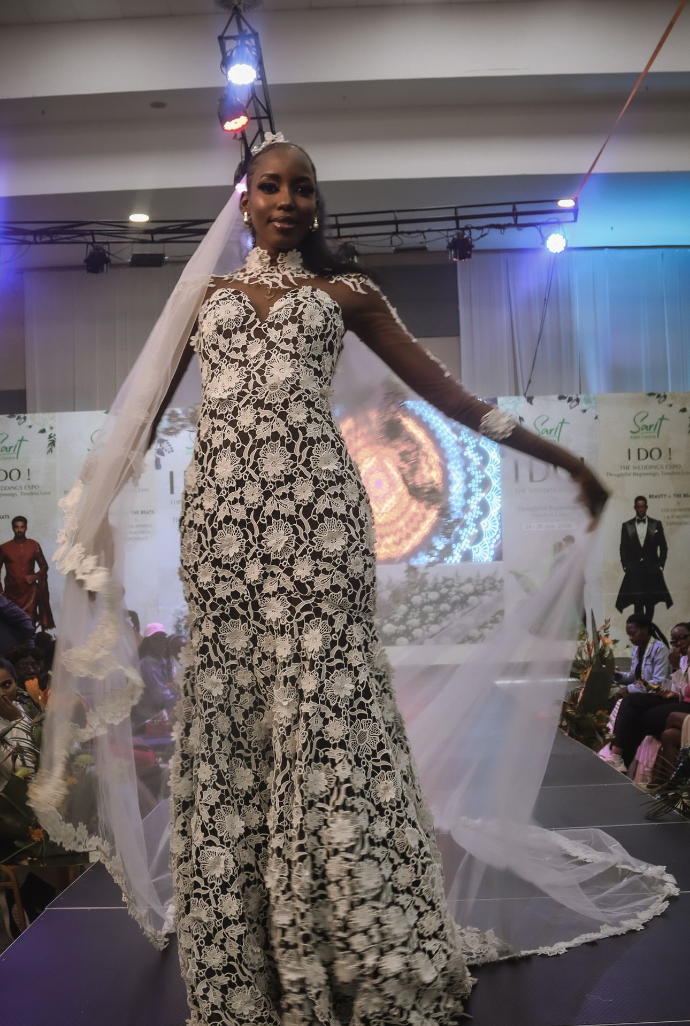
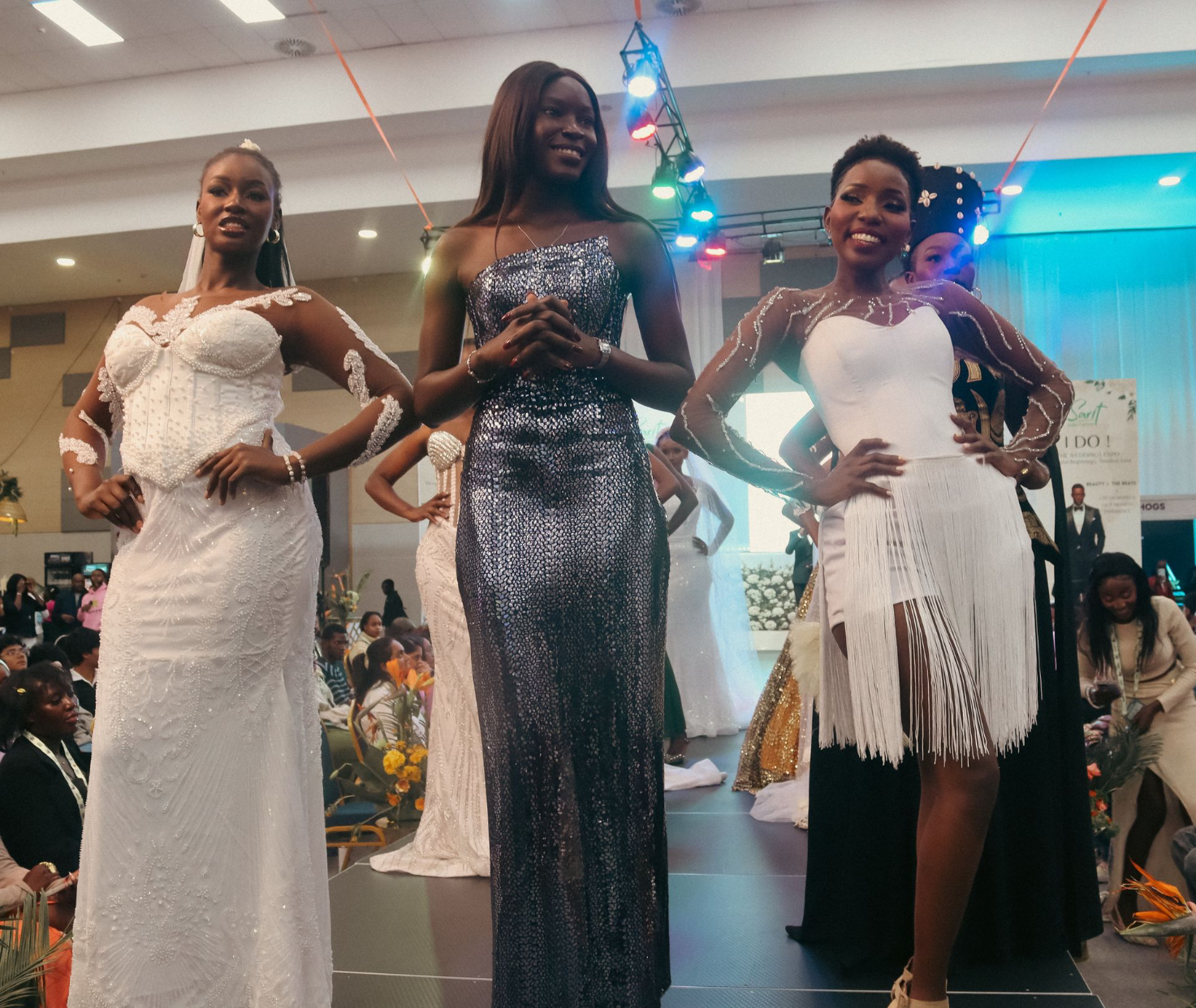
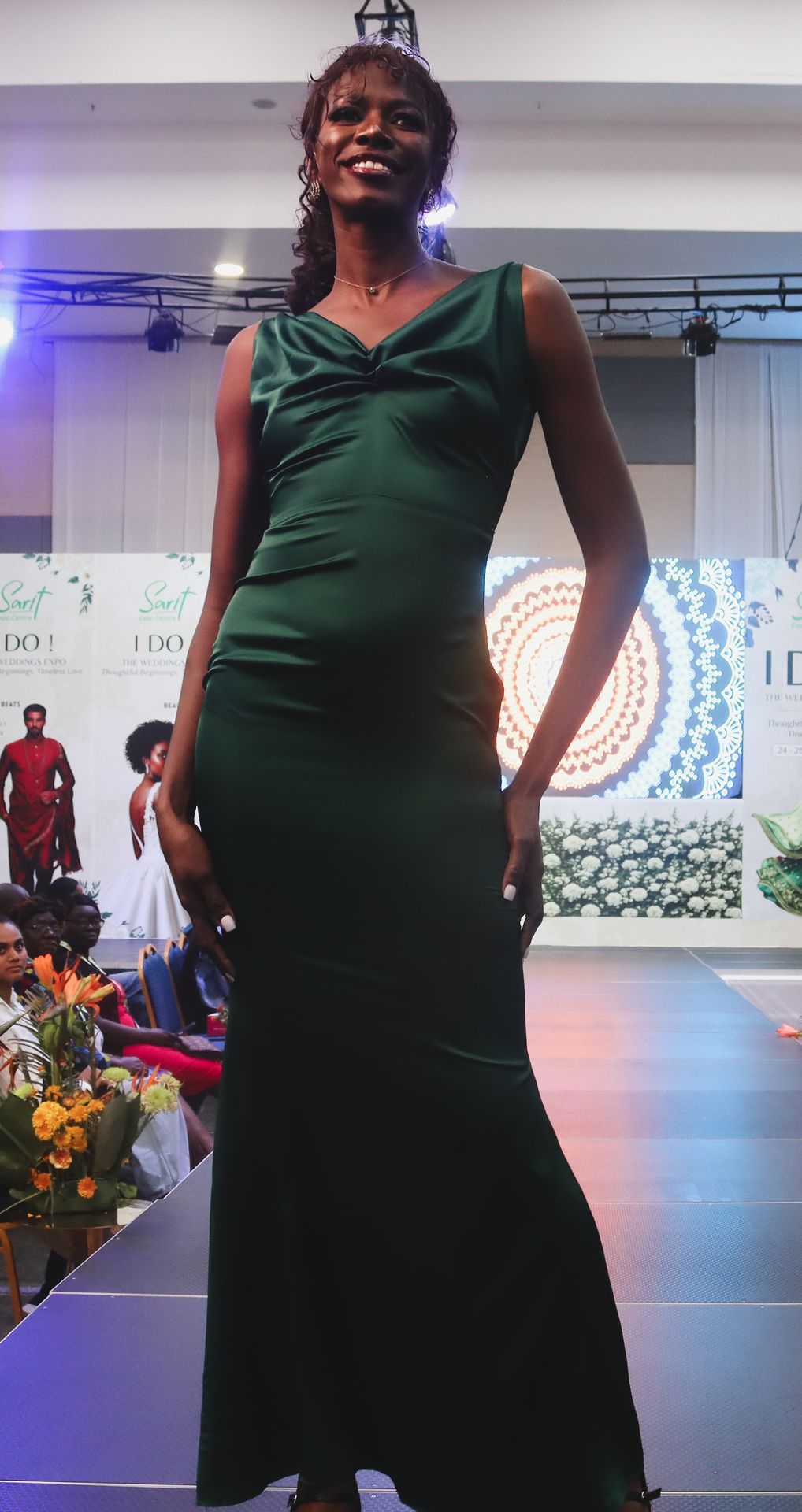
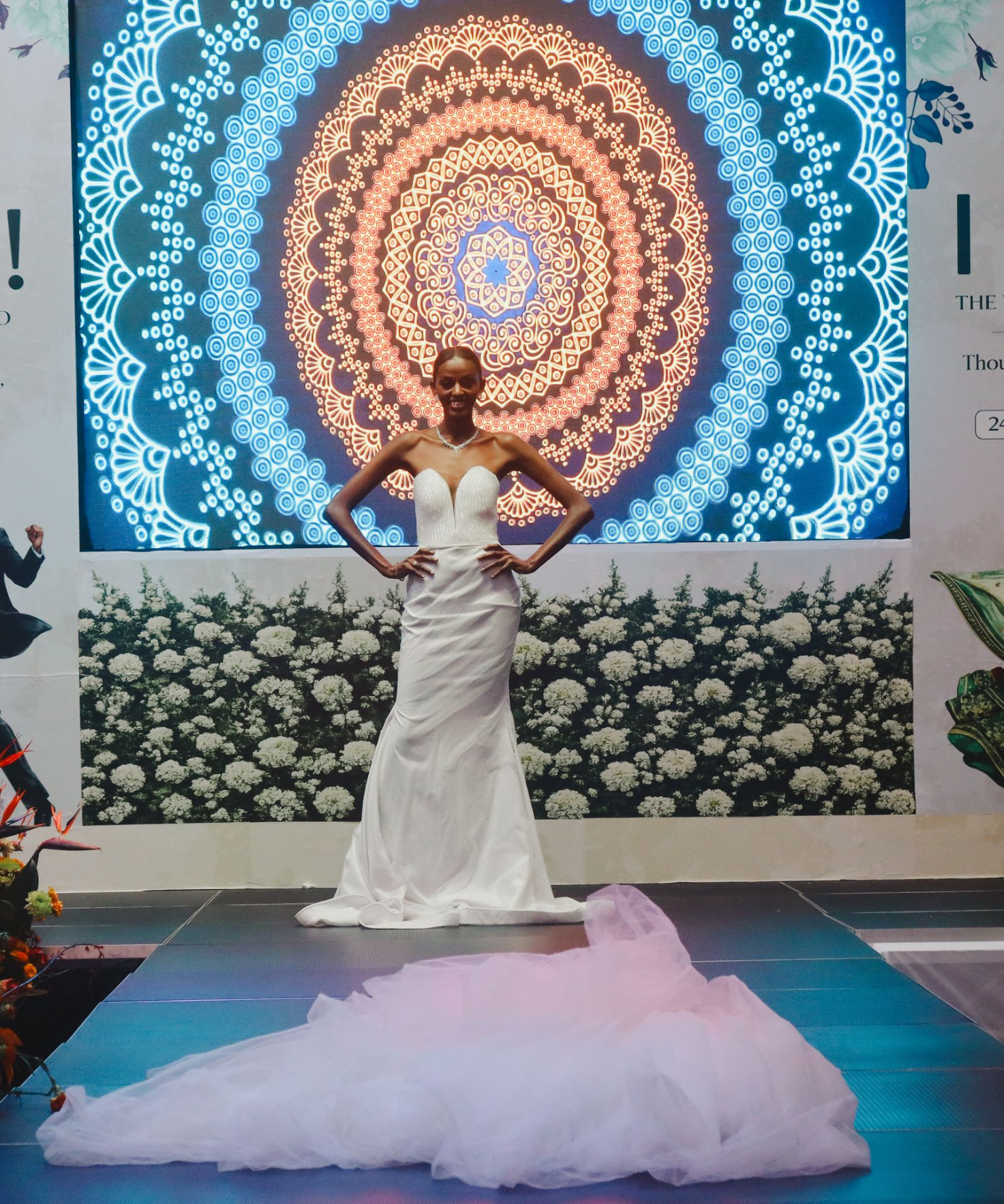
If one collection embraced spectacle without sacrificing craftsmanship, it was Flamingo 254.
The runway was an exhibition of technical confidence. Sculptural silhouettes curved around the body with remarkable precision, while strategic draping and fabric manipulation created garments that appeared almost alive.
There was undeniable sensuality throughout the collection, but it never felt gratuitous. Instead, sex appeal emerged from construction. Every seam, fold and contour seemed engineered to respond to the body's movement, creating the illusion that the garments were bending to the wearer's will.
It was bold, theatrical and unapologetically modern.
More importantly, it demonstrated how technical mastery can become a form of storytelling in itself.
Beyond the Dresses
Taken together, these five collections offered more than bridal fashion. They offered five distinct interpretations of marriage itself.
Ashok Bespoke reflected on division and optimism. Giovane Gentile celebrated craftsmanship. Jerop explored the emotional architecture of lifelong commitment. June By Design rooted marriage in cultural memory. Flamingo 254 pushed bridalwear toward sculptural modernity.
The runway became less about what people wear to get married and more about what marriage means in contemporary Africa. That, perhaps, was the strongest statement of the day.