
Artistic excellence is rarely a matter of appearance alone. At the inaugural Sawela International Art Festival, the jury brings together perspectives on artistic discipline, experimentation, creative intention and the relationship between art and its audience. Here is a closer look at the thinking that will inform their assessments.
When an artwork is presented for consideration, what exactly makes it exceptional? Is it the command of its medium, the originality of its expression, the ideas it introduces or its ability to leave a lasting impression on the person encountering it?
These questions sit at the heart of artistic evaluation, and they become particularly relevant at a festival bringing together artists, galleries, collectors and audiences at different stages of their engagement with contemporary art.
For the inaugural Sawela International Art Festival, the jury's approach extends beyond immediate visual appeal. Its members bring distinct professional and intellectual perspectives to the process, offering a broader understanding of what constitutes artistic merit and how creative work should be encountered, interpreted and appreciated.
The discipline behind artistic expression: Peterson Kamwathi
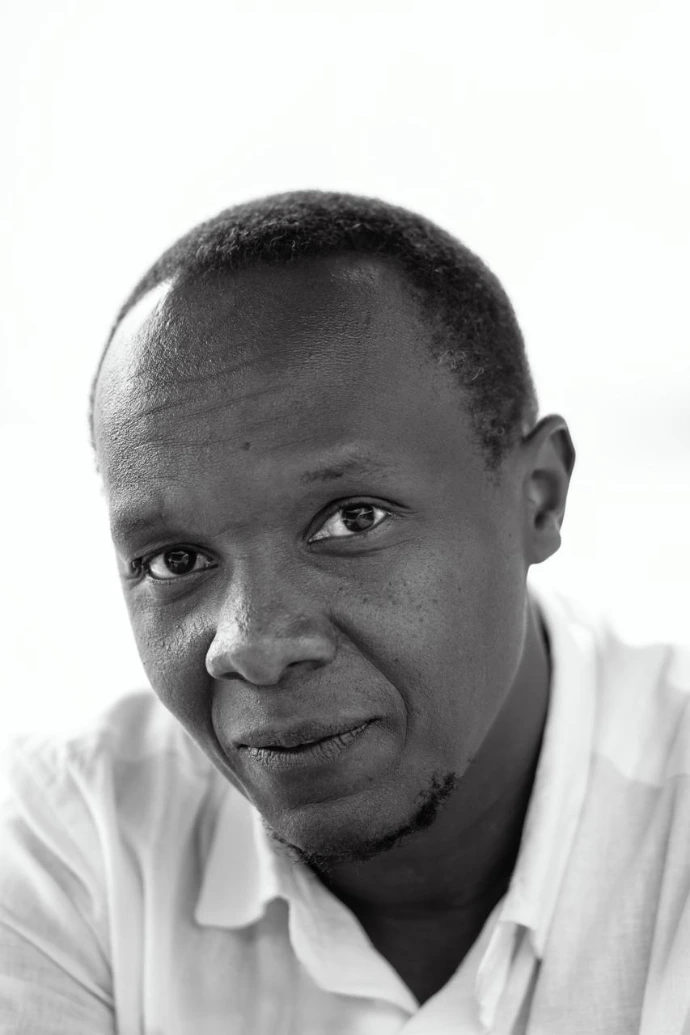
For artist Peterson Kamwathi, artistic assessment begins with two fundamental considerations: technical proficiency and the development of a distinctive visual language.
He approaches these through an interesting distinction between the ability to communicate and the ability to be understood. In his view, the two are related but not interchangeable. An artist may have a compelling idea, but the ability to translate that idea into a coherent visual expression requires a command of the medium.
This begins with the fundamentals: composition, form, colour, proportion, material and execution. These elements establish whether an artist understands the technical vocabulary of their chosen medium and can exercise sufficient control over it to communicate an intention convincingly.
Yet technical proficiency is only one part of the assessment.
Kamwathi is equally interested in the capacity of an artwork to evoke. Does the work invite the viewer into an experience? Does it establish an intellectual or emotional connection? Does it offer something that remains with the audience beyond the initial encounter?
Importantly, this does not mean that an artwork must be immediately understood or universally relatable. Art can challenge, unsettle and demand contemplation. What matters is that the experience is intentional and that the artist demonstrates both command of their medium and an understanding of the relationship between the work and its audience.
For the jury, this introduces an important distinction: technical accomplishment establishes artistic competence, while evocation gives the work the capacity to resonate.
A practice in evolution: Elias Mung’ora
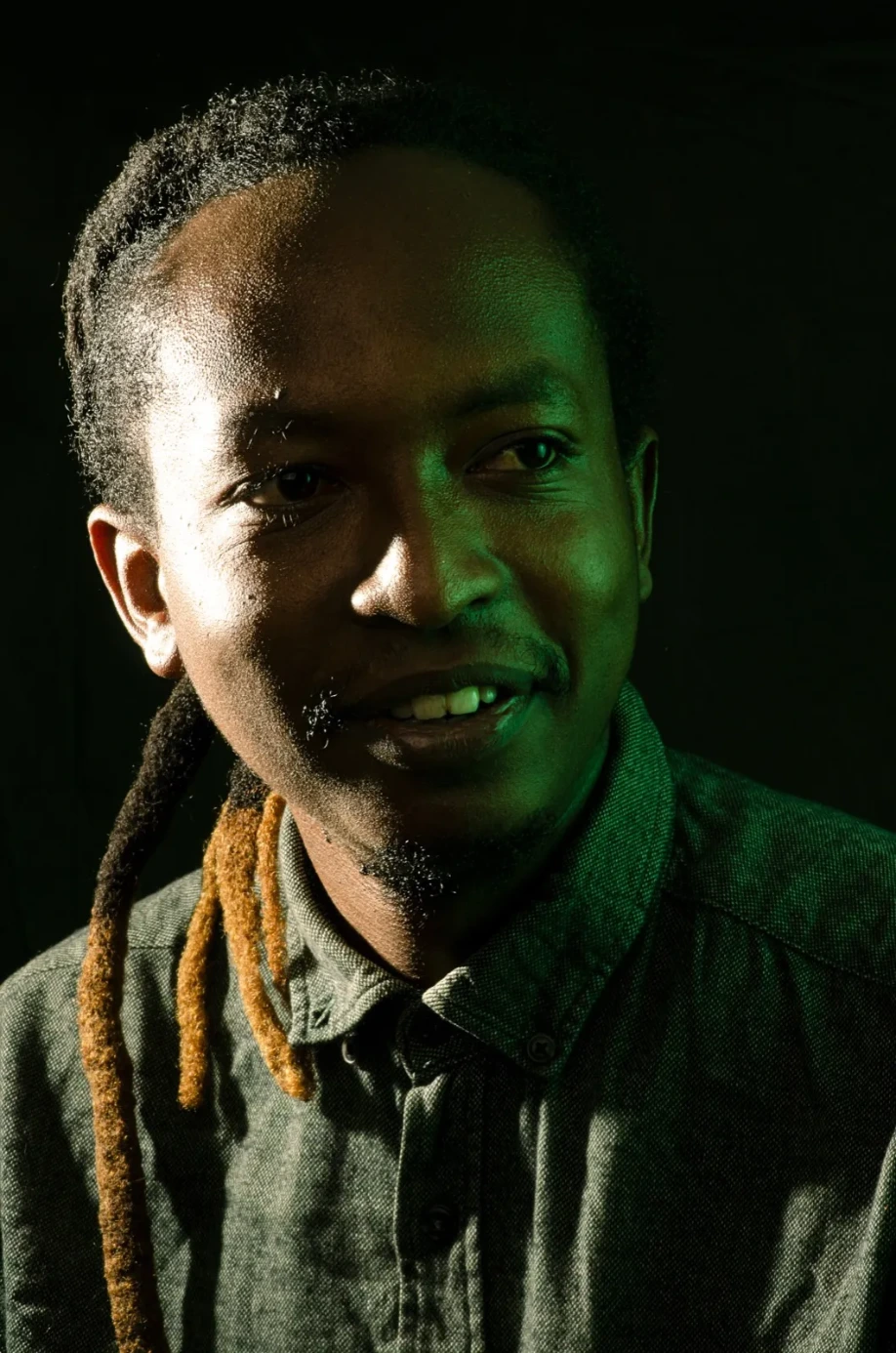
Artist Elias Mung’ora brings attention to a different aspect of artistic development: the willingness to experiment.
Reflecting on changes within the East African art scene, he observes a growing openness among artists to move beyond established styles and explore different mediums, techniques and approaches to making art.
Historically, establishing a recognisable visual identity was often treated as a significant milestone in an artist's career. Once that identity had been developed, there was an expectation of consistency. Mung’ora sees a shift away from this restrictive understanding of artistic practice.
He points to Mombasa-based artist Sandra Wauye, whose work in painting has expanded into ceramics over the past three years. For him, this kind of exploration demonstrates the possibilities that emerge when artists allow their practices to evolve rather than remain confined to a single medium.
He also recognises the contribution of contemporary art spaces such as Munyu Space and NCAI, whose programming has helped create opportunities for different forms of artistic expression.
His perspective offers an important consideration for the festival: artistic development should not be understood as the ability to reproduce an established formula. The capacity to explore, question and expand one's creative vocabulary is equally significant.
In assessing the work presented, this perspective invites attention to the possibilities of artistic experimentation and the broader evolution of creative practice within the region.
Where art ends and craft begins: Carol Lee
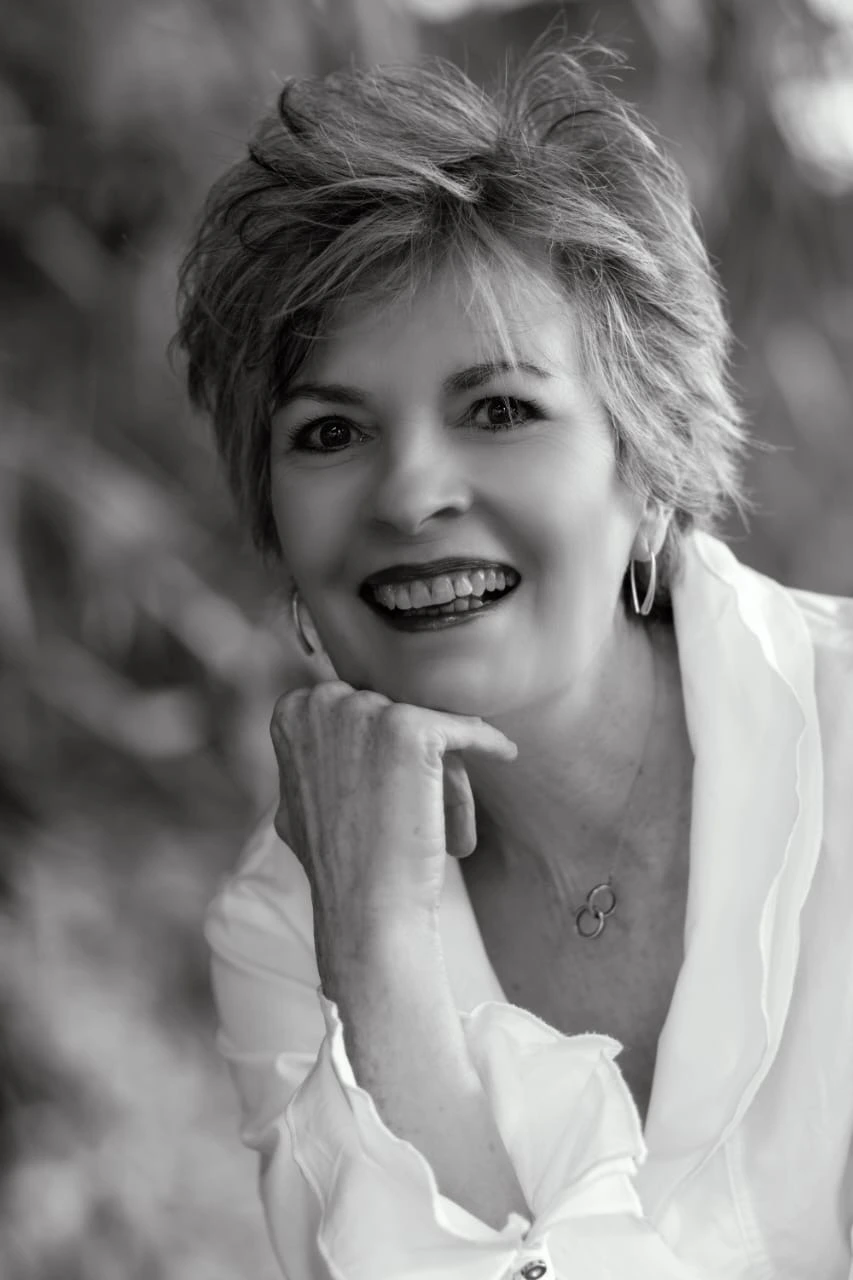
For Carol Lee, an important starting point in understanding artistic work is recognising the distinction between art and craft.
Although the two can share exceptional technical skill, sensitivity to materials and sophisticated execution, their primary intentions are not necessarily the same.
Craft is fundamentally concerned with making. It applies knowledge, skill and technique to produce something that serves a function or fulfils a particular purpose. Jewellery and furniture, for instance, may demonstrate extraordinary craftsmanship while remaining objects designed for practical use.
Art, by contrast, does not necessarily have to fulfil a functional requirement. Its value can exist independently of what an object does for its owner. It may introduce an idea, provoke a response, challenge an assumption or create an experience that cannot be reduced to practical utility.
Lee illustrates this through the example of a chair. A beautifully constructed chair, however sophisticated its design, remains primarily an object of craft when its purpose is to be sat on. Transform that same chair into an object that deliberately challenges the conventional understanding of what a chair should be, and it begins to enter the territory of art.
The distinction is not a hierarchy in which one discipline is superior to the other. Rather, it concerns the intention behind the work and the experience it seeks to create.
For audiences and artists alike, this distinction offers a useful lens through which to consider creative submissions. Technical excellence matters, but the questions introduced by a work, its conceptual intention and its capacity to evoke are equally important to understanding its artistic proposition.
Developing the eye of a collector: Samuel Githui, One Off Contemporary Art Gallery
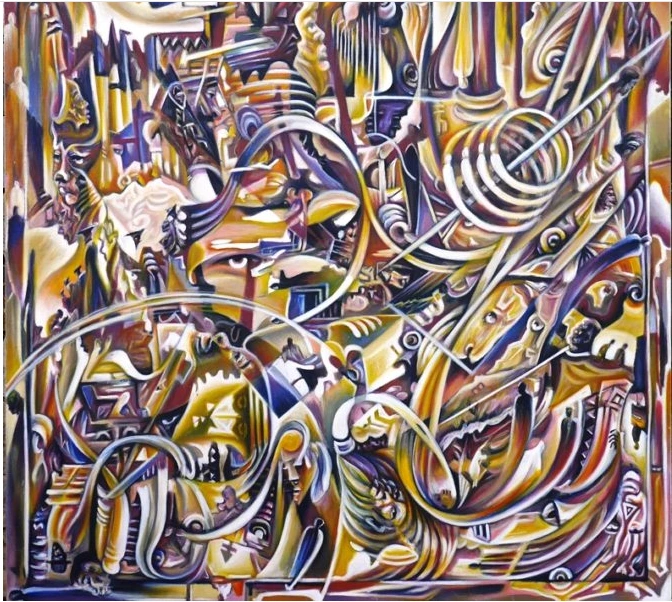
While the other perspectives consider artistic production and interpretation, Samuel Githui of One-Off Contemporary Art Gallery turns attention to the person on the other side of the artwork: the buyer.
His perspective is particularly relevant to audiences who are beginning to explore art acquisition and the development of personal collections.
For Githui, the process should begin with understanding one's motivation. Is the intention to acquire something aesthetically pleasing for a living space? Is the interest in decorative or artisanal objects? Is the purchase a considered luxury acquisition, or is the buyer beginning to develop a collection with a longer-term interest in particular artists and their practices?
These motivations are different, and recognising them makes the process of acquiring art more considered.
He is particularly keen to emphasise that buying art for personal enjoyment is just as legitimate as approaching acquisition from the perspective of a serious collector. An individual does not need to begin with an investment strategy or an ambition to build an important collection. The desire to live with a particular artwork is, in itself, a valid reason to acquire it.
However, informed acquisition requires curiosity.
Githui encourages prospective buyers to visit exhibitions, familiarise themselves with galleries and their programmes, follow artists whose work interests them and understand the development of their practices. Questions of medium, technique, background and provenance also become important in establishing a more complete understanding of an artwork.
The objective is to move beyond an isolated appreciation of an individual piece and develop an understanding of the artist's wider body of work.
For the festival audience, this perspective adds another dimension to the experience. It presents the exhibition environment as an opportunity not simply to view art, but to develop the knowledge and confidence necessary to engage with it, appreciate it and, where appropriate, acquire it.
Four perspectives, one broader conversation
Taken together, these perspectives reveal the breadth of considerations informing the Sawela International Art Festival jury.
For visitors, this offers a more informed way of approaching the works presented at the festival. It encourages looking beyond the immediate impression of an artwork and considering the decisions, skills, ideas and experiences that inform its creation.
The inaugural Sawela International Art Festival, taking place at Sawela Lodges in Naivasha from 20 to 22 November 2026, will bring these conversations into a shared space, connecting artists, galleries, collectors and audiences.
Ultimately, the value of an art festival lies in more than the works displayed or the awards presented. It also lies in the standards it encourages, the conversations it opens and the opportunities it creates for a more discerning relationship with art.