
The quality of a garment does not begin with the tailor. It begins with the fabric.
I have watched people spend thousands on bespoke tailoring only to hand over poor-quality fabric that fades after two washes, pills within weeks or loses its structure before the outfit has even had a chance to become a favourite. Equally, I have seen relatively simple designs look effortlessly luxurious because the fabric did all the talking.
Knowing where to buy fabric in Nairobi is almost a skill in itself. Every market has developed its own reputation, clientele and specialty. Some are ideal for bridal couture, others for everyday cottons, while some reward patient treasure hunters willing to spend hours digging through endless rolls of textiles.
The trick is understanding what each place does well and where its limitations lie.
Eastleigh
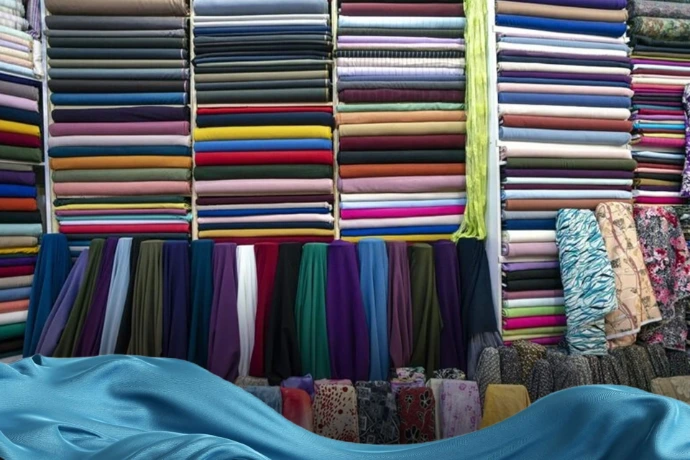
If variety had a capital, it would probably be Eastleigh.
Few places in Kenya rival the sheer volume of textiles available here. Walking through the fabric stores can feel overwhelming at first. Every shop seems to have another hidden room filled with more chiffon, crepe, silk blends, organza, linen, jersey and bridal fabrics than the last.
Eastleigh is where many boutiques, designers and resellers source their materials because wholesalers often sell directly to the public.
The biggest advantage is selection. If you cannot find a particular colour or texture in one shop, chances are the next five shops will have it.
Pricing is also competitive, especially when purchasing several metres.
However, Eastleigh demands patience.
Many shops stock similar fabrics at different prices, making comparison shopping essential. Salespeople can be persistent, and unless you know fabric quality well, two materials that look identical may perform very differently after washing.
Pros
- Largest variety of fabrics in Nairobi
- Excellent for bridal, evening wear and occasion fabrics
- Competitive wholesale prices
- Easy to compare similar materials across multiple shops
Cons
- Can be overwhelming for first-time buyers
- Requires bargaining in many stores
- Heavy crowds, especially during weekends
- Quality varies significantly between suppliers
Biashara Street
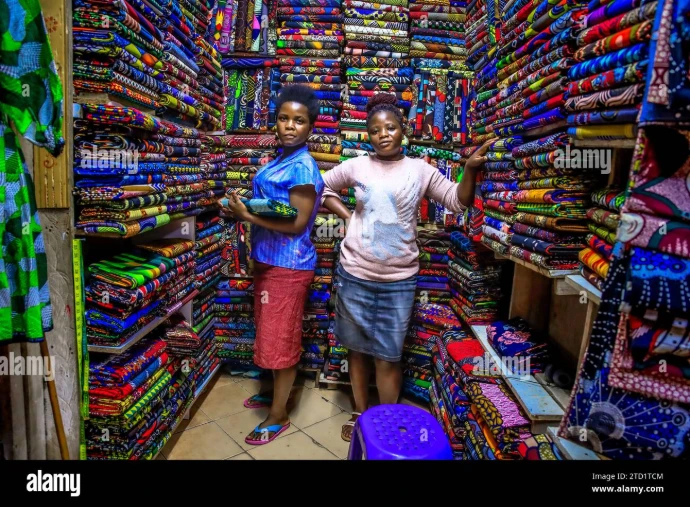
Biashara Street remains one of Nairobi's oldest textile destinations, and for good reason.
Unlike the sensory overload of larger markets, shopping here feels more structured. Many established textile businesses have operated here for decades, creating long-term relationships with designers, schools and uniform suppliers.
This is where consistency matters.
If you return months later looking for the same fabric, there is a reasonable chance the supplier will still stock it or recommend an equivalent.
Biashara Street may not always offer the trendiest prints, but it excels in reliability.
Pros
- Established and trusted textile merchants
- Reliable quality
- Excellent for uniforms, suiting and everyday fabrics
- Easier shopping experience
Cons
- Less variety than Eastleigh
- Prices are generally less flexible
- Limited fashion-forward selections
Nairobi Textile Market
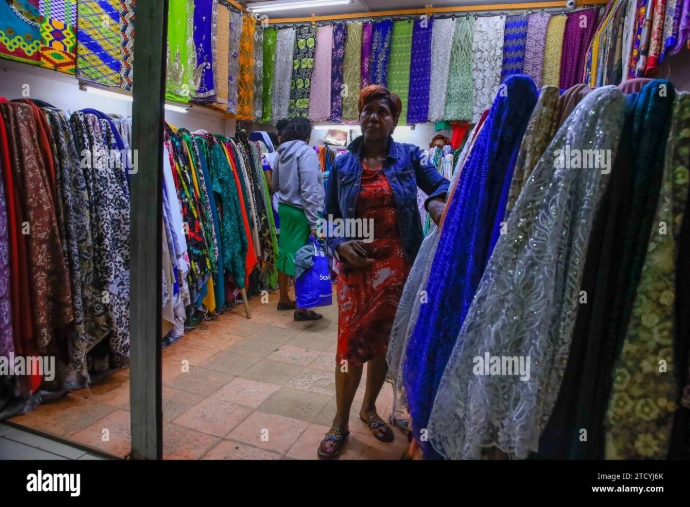
Nairobi Textile Market occupies an interesting middle ground.
It combines the accessibility of traditional textile stores with the excitement of discovering something unexpected. You'll find imported fabrics sitting next to locally sourced materials, making it a useful stop for designers working across different budgets.
It is particularly useful when sourcing fabrics for ready-to-wear collections because many shops carry practical textiles suitable for repeated production.
The challenge is consistency. Stock changes frequently, so what you find today may not be available next month.
Pros
- Wide mix of imported and local fabrics
- Suitable for both beginners and professionals
- Good balance between price and quality
Cons
- Inventory changes often
- Not every supplier specialises in fashion fabrics
- Requires comparing several shops
Maziwa Market
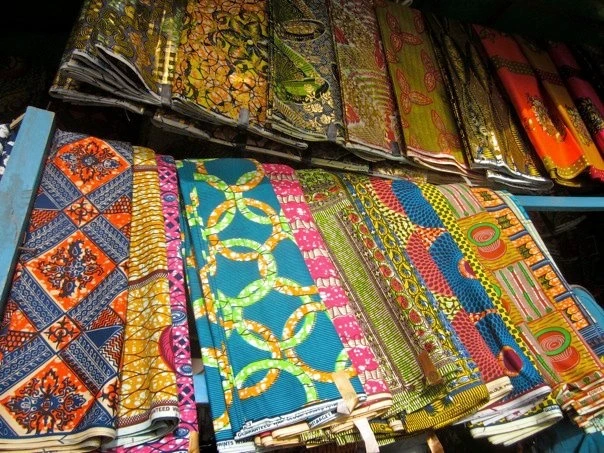
Maziwa Market is one of Nairobi's underrated fabric destinations.
It lacks the fame of Eastleigh or Gikomba, but local designers know it offers practical options at accessible prices.
If your priority is producing wearable everyday clothing rather than couture, this market deserves consideration.
You are unlikely to discover elaborate bridal lace here, but you'll often find dependable cottons, knits and casual dress fabrics.
Pros
- Affordable prices
- Less crowded
- Good for everyday fashion fabrics
Cons
- Limited luxury textiles
- Smaller overall selection
- Fewer speciality suppliers
River Road
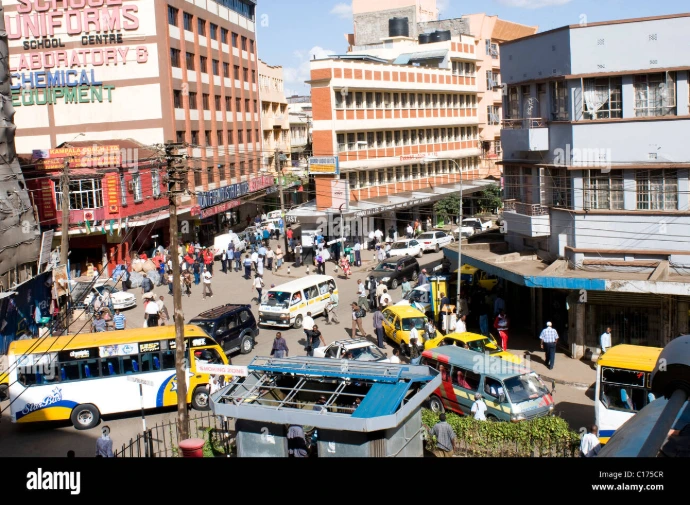
River Road has always been about business.
Many traders here operate at wholesale scale, supplying retailers across the country rather than only walk-in shoppers.
If you're launching a clothing brand or buying fabric in bulk, River Road deserves serious attention.
Individual shoppers can still find bargains, but the market naturally favours larger purchases.
Pros
- Excellent wholesale opportunities
- Strong pricing for bulk purchases
- Wide commercial textile selection
Cons
- Less suited to buying small quantities
- Busy commercial environment
- Requires knowing what you want

Gikomba is where creativity meets patience.
Many people associate the market with second-hand clothing, but experienced designers know it also hides remarkable textile finds.
Deadstock fabrics, vintage materials, surplus rolls and unexpected luxury textiles occasionally appear at prices that seem almost unbelievable.
The keyword, however, is occasionally.
Shopping here is unpredictable. You may leave with enough premium fabric for an entire collection or leave empty-handed after hours of searching.
Pros
- Exceptional bargains
- Unique and rare finds
- Ideal for sustainable fashion sourcing
- Perfect for designers willing to hunt
Cons
- No consistency in stock
- Requires time and patience
- Fabric origins are not always clear
Wakulima Market
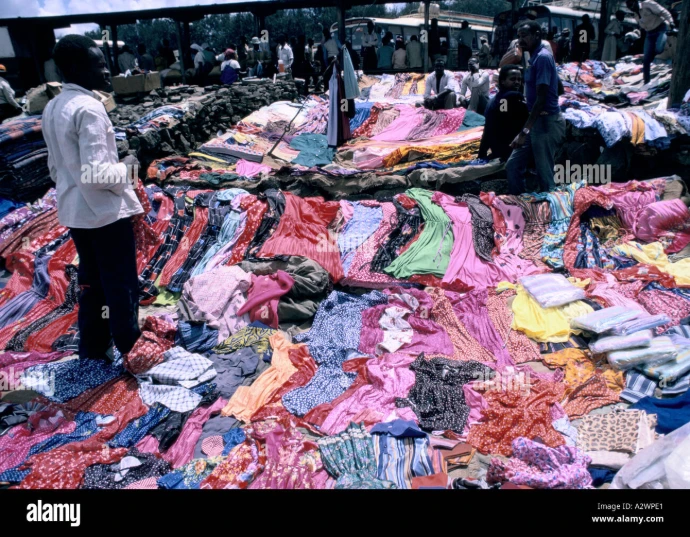
Most people know Wakulima for fresh produce rather than fashion.
However, the surrounding streets have quietly developed clusters of affordable textile traders serving local businesses and neighbourhood tailors.
It isn't a destination for luxury shopping, but it works when you need dependable fabrics quickly without navigating larger commercial districts.
Pros
- Affordable
- Convenient for nearby shoppers
- Good for basic tailoring fabrics
Cons
- Limited fashion selection
- Few premium materials
- Smaller supplier network
Kamukunji Market
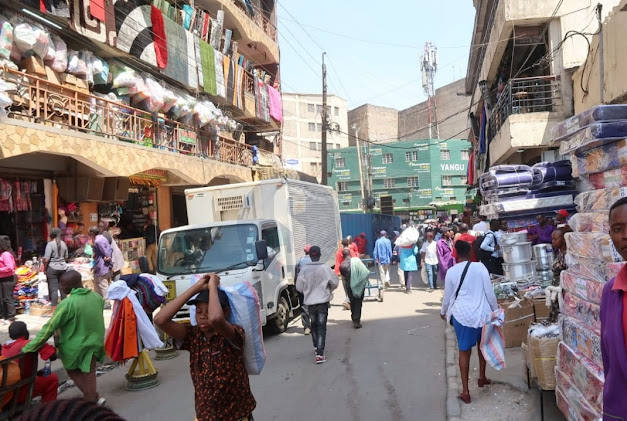
Kamukunji is better known for hardware, accessories and manufacturing supplies, but fashion entrepreneurs often visit for more than just fabric.
Alongside textiles, you'll find haberdashery, trims, buttons, zips, elastic, interfacing and tailoring essentials.
For anyone producing garments, sourcing everything in one trip can be a major advantage.
The fabric selection itself is smaller than Eastleigh or Biashara Street, but the supporting materials make Kamukunji invaluable.
Pros
- Excellent for tailoring supplies
- Affordable notions and accessories
- Convenient one-stop shopping for garment production
Cons
- Smaller fabric selection
- Limited luxury textiles
- Better as a complementary stop than a primary destination
So, where should you shop?
There isn't a single "best" fabric market in Nairobi. The best choice depends entirely on what you're making.
If you're shopping for bridal wear or luxury evening pieces, Eastleigh offers the widest range. For dependable classics and established suppliers, Biashara Street remains one of the safest bets. Designers producing collections in larger quantities will appreciate River Road's wholesale ecosystem, while treasure hunters willing to search for hidden gems will always find Gikomba rewarding.
My advice is simple: don't become loyal to one market. Become loyal to quality. The most successful designers I know rarely source from just one place. They move around the city, compare prices, feel the fabric, ask questions and build relationships with suppliers. That's how you begin to recognise the difference between fabric that merely looks beautiful on the roll and fabric that still looks beautiful years later.
Because in fashion, good design may capture attention, but good fabric is what keeps people coming back.