
The fashion runway, as we know it today, is the result of continuous transformation shaped by culture, technology, and shifting audience expectations. What began as a private and functional presentation has evolved into a global spectacle, now facing questions about its relevance in a rapidly digitising industry.
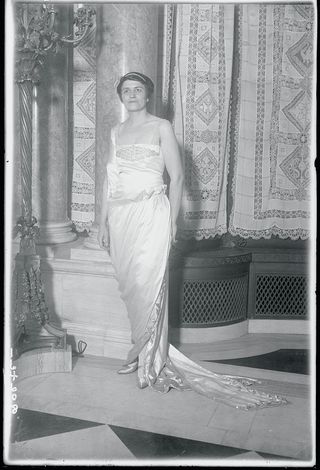
The origins of modelling trace back to the mid nineteenth century, when fashion houses employed young women known as demoiselles de magasins. Their role was to present garments directly to clients through défilés, simple showings with no music, staging, or performance. The focus was entirely on the clothes.
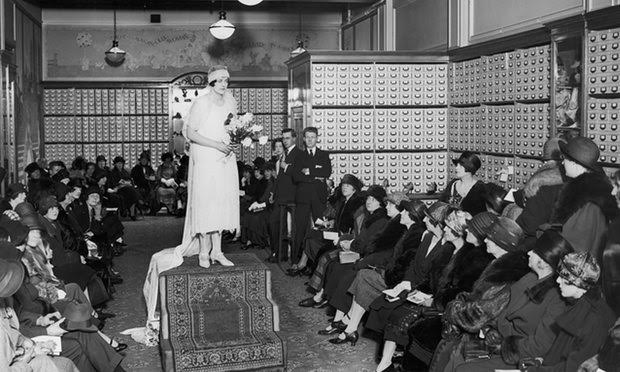
By 1901, early versions of the modern runway began to emerge. Shows introduced elements such as lighting, music, structured walking, and a defined stage. Spatial awareness also became important, with the introduction of seated audiences and the concept of front row positioning. Despite these developments, access remained restricted to elite clients, buyers, and members of high society. Presentations were typically held in controlled environments such as salons and department stores.
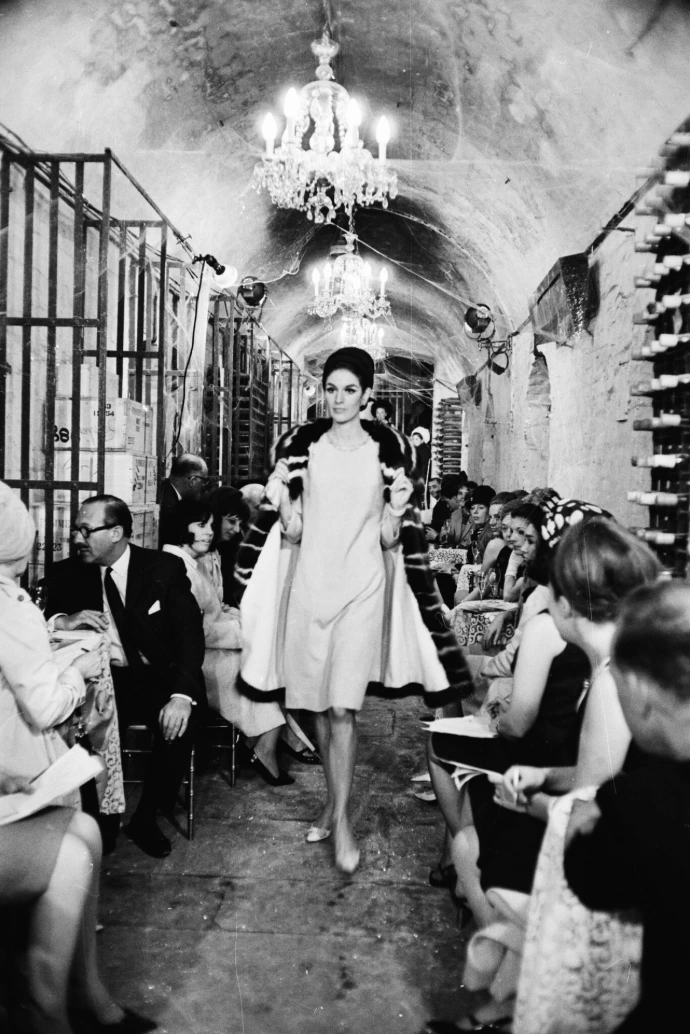
It was not until the 1960s that designers began to experiment with space and atmosphere. Runway shows moved beyond traditional interiors into more unconventional settings, including outdoor locations and culturally significant sites. This marked the beginning of fashion as experience rather than presentation.
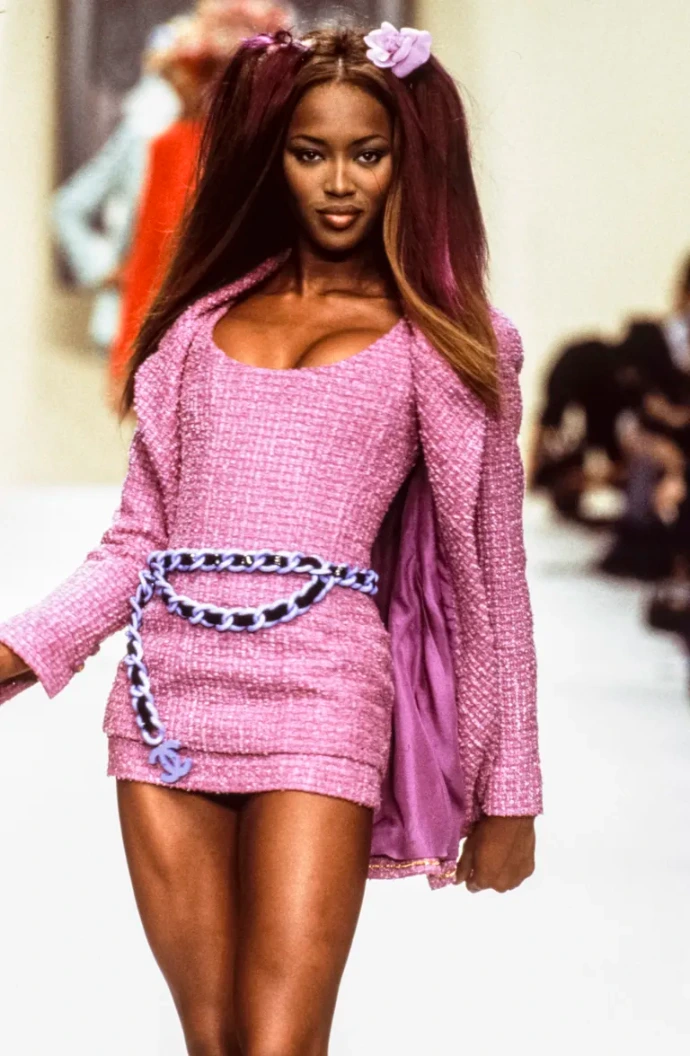
The 1980s accelerated this shift. Runway shows became larger, more theatrical, and increasingly commercial. What had once been a private industry event opened up to broader audiences willing to pay for access. Production value intensified, with designers investing heavily in staging, choreography, and visual impact. The runway became both a marketing tool and a revenue stream.
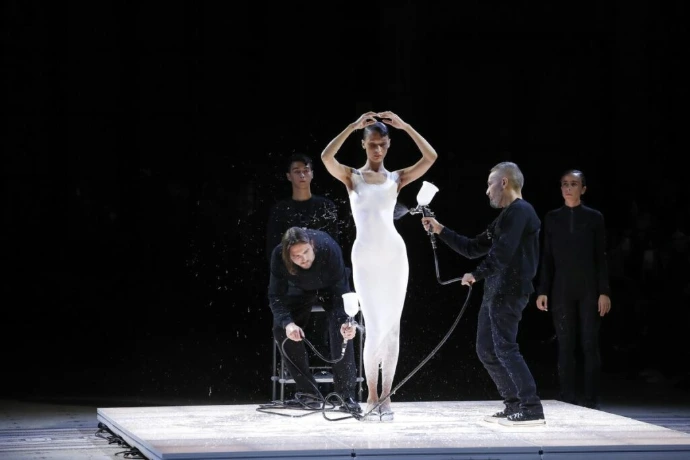
The digital era has further transformed the runway. Social media, livestreams, and digital content have expanded access beyond physical attendance, allowing global audiences to engage with shows in real time. This has contributed to the democratisation of fashion, but it has also shifted attention toward spectacle. Entertainment value now often competes with, and at times overshadows, the primary purpose of the runway, which is to present and sell collections.
More recently, designers have begun to challenge the very structure of the runway itself. A notable example is Hanifa, which presented a collection using 3D digital models, eliminating both the physical runway and live models. Such innovations signal a broader shift toward virtual and hybrid formats, including AI generated visuals and immersive digital experiences.
This evolution has created a tension within the industry. While visibility has increased, it does not always translate into sales. Designers often gain audience engagement and digital traction without corresponding commercial returns. The runway, once a direct sales tool, now risks functioning primarily as a branding exercise.
As the industry continues to move at speed, there is a growing need to reassess the purpose of the fashion show. The challenge lies in balancing spectacle with substance. The future of the runway will depend on its ability to reconnect presentation with product, ensuring that attention generated converts into meaningful engagement and, ultimately, purchase.
The runway cannot remain fixed in its traditional form. Its next evolution will be defined not only by innovation, but by its ability to remain commercially relevant in an increasingly digital and experience driven landscape.
Reference:
De Klerk, A. (2022, January 24). The fascinating history of the runway show. Harper’s BAZAAR UK. https://harpersbazaar.com.au/history-of-the-runway-show/