
One of the most common questions clients ask is why their tailor insists on sourcing the fabric instead of allowing them to bring their own. It is easy to assume this is simply another way of increasing the final bill. In reality, the answer says more about the structure of Kenya's apparel industry than it does about the tailor.
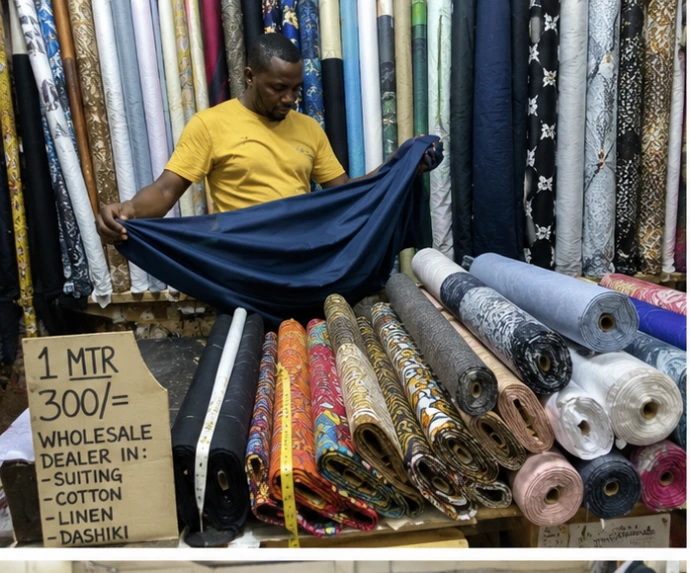
Kenya has no shortage of exceptional fundis. Across the country, skilled artisans produce garments that rival international craftsmanship. Their challenge is rarely talent. It is access.
The fabric economy is built around a divide between wholesale and retail. Large manufacturers and factories, particularly those operating around Athi River, purchase textiles in volumes that unlock significantly lower prices. Independent tailors cannot.
Most fundis operate on a made-to-order basis. They buy fabric only when a client places an order because tying up capital in hundreds of metres of stock is simply too risky. Fashion trends change quickly, client preferences shift, and every metre left unsold is money sitting on a shelf. The result is that most independent tailors purchase fabrics in small quantities at retail prices.
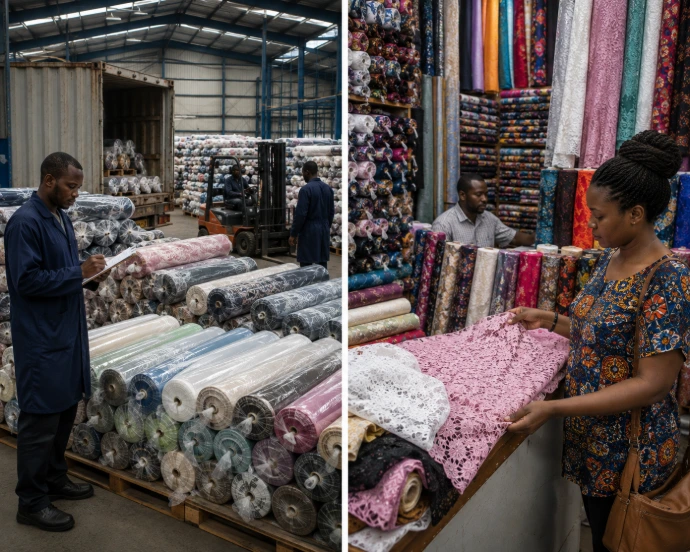
This fragmented procurement system leaves little room to negotiate. Every tailor is buying alone, competing alone, and paying more than they would if there were mechanisms for collective purchasing. It is a structural weakness, not an individual one. In fact, the lack of coordination within Kenya's apparel value chain has been highlighted for years. The World Bank identified the missing coordination function in the sector in 2015, while KIPPRA has repeatedly pointed to the same structural gap. The consequence is a market where skilled garment makers remain disconnected from the purchasing power that larger manufacturers enjoy.
Yet price is only part of the story.
A tailor's responsibility extends beyond stitching. They are responsible for turning an idea into a finished garment, and that process begins with selecting the right fabric.
Not every textile is suitable for every design. A structured blazer demands a fabric with body. A flowing evening gown requires movement. A bridal silhouette may need fabrics that respond well to interfacing, boning, or intricate draping. Choosing the wrong textile can compromise the fit, silhouette, durability, and overall appearance of the garment, regardless of how well it is sewn.
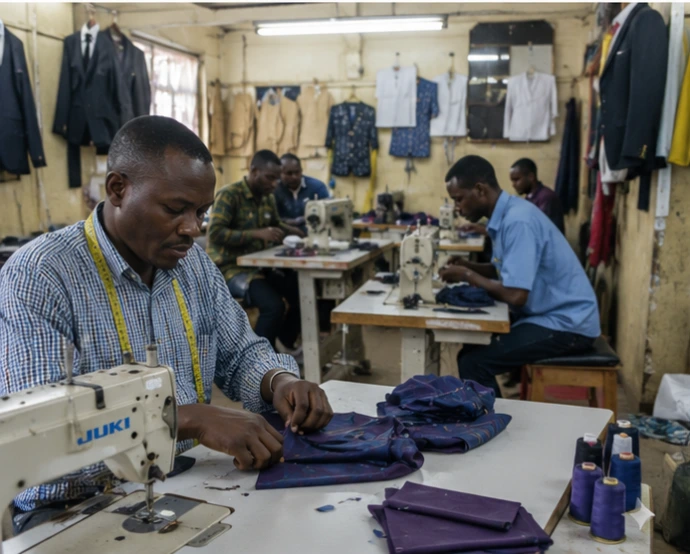
There is also the matter of familiarity. Every fabric behaves differently under a sewing machine. Some stretch unexpectedly. Others fray easily, shrink after washing, or react differently to pressing and finishing techniques. An experienced tailor understands the materials they work with regularly, but introducing an unfamiliar fabric increases the technical risk of the project. The client's vision can suffer, not because the tailor lacks skill, but because the material behaves differently than expected.
Fabric quantity is another overlooked consideration.
Commercial sewing patterns provide estimated yardage, but experienced tailors rarely work to the exact minimum. Extra fabric allows for pattern matching, shrinkage tests, fitting adjustments, unexpected cutting errors, and design refinements. When a client arrives with precisely the stated amount and no surplus, there is no margin for correction. A single mistake can mean an unfinished garment with no matching fabric available to replace what was lost.
Then there is the question of authenticity.
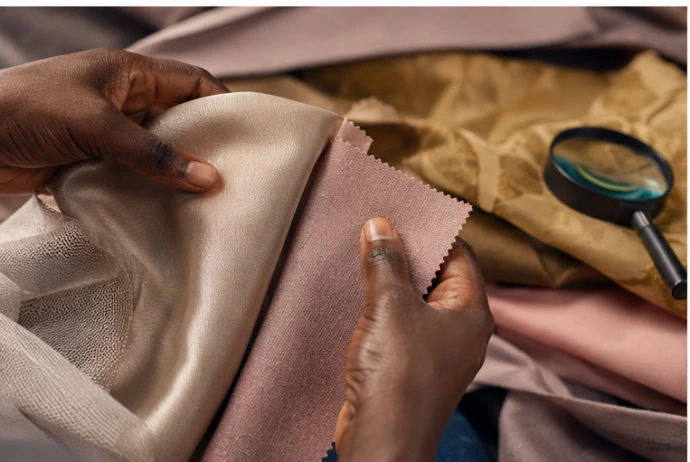
Distinguishing a premium textile from an imitation is not always obvious. It requires experience. Quality is judged through weave consistency, fibre composition, texture, weight, finish, and how the fabric responds to handling. Two fabrics may appear identical under showroom lighting yet perform very differently once cut, sewn, pressed, and worn. A client may unknowingly purchase an inferior imitation believing they have secured a bargain, only to discover the difference after the garment has already been made.
This is why many tailors prefer to source materials themselves. It is not about controlling the transaction. It is about managing risk.
Perhaps the more important question is not why tailors want to source fabric, but why Kenya's thousands of independent garment makers remain locked out of the purchasing power that would allow them to compete on equal footing with larger manufacturers. Until the country's fabric procurement system evolves beyond fragmented retail buying, many of its most talented fundis will continue paying more for the very materials that define the quality of their work.
For a country with one of Africa's most creative fashion industries, that is a problem worth solving.